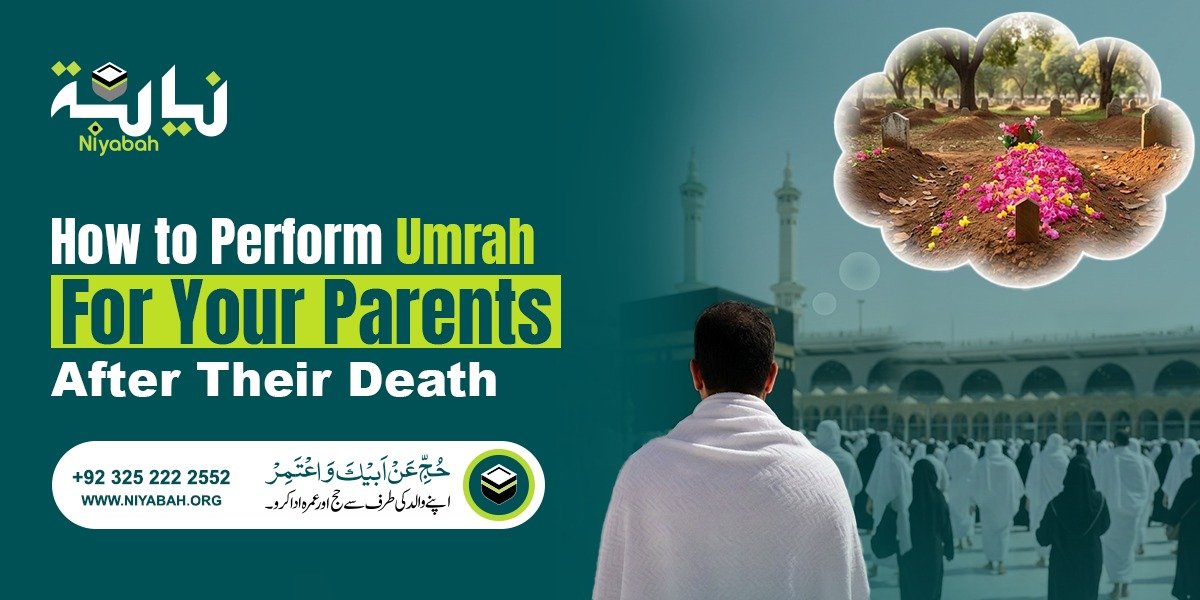
Umrah is one of the most meaningful acts of worship in Islam. For many people, the desire to perform Umrah is not limited to themselves; it extends to their parents, especially after they have passed away.
Losing parents creates a deep emotional connection that continues even after death. Many children look for ways to honor them, remember them, and provide ongoing benefit. One of the most powerful ways to do this is by performing Umrah Badal on their behalf.
This act is not just about completing a ritual; it is about fulfilling a responsibility, expressing gratitude, and maintaining a spiritual connection with parents.
Importance of Performing Umrah for Parents
Performing Umrah for parents after their death carries both emotional and spiritual value.
A Reflection of Gratitude
Parents spend their lives caring for their children. Performing Umrah for them is a meaningful way to give back.
- Honors their efforts and sacrifices
- Shows love and respect
- Strengthens the bond even after death
Providing Spiritual Benefit
Umrah Badal allows the reward of Umrah to reach the parent in the grave.
- Acts as an ongoing spiritual benefit
- Helps increase their reward
- Considered a meaningful form of remembrance
Emotional Peace for Children
This act brings comfort to those performing it.
- Creates peace of mind
- Reduces feelings of regret
- Strengthens emotional connection
A Meaningful Way to Remember Parents
Rather than just remembering parents emotionally, this act turns remembrance into a spiritual action.
- Connects the dua with the action
- Reflects sincerity
- Keeps their memory alive in a meaningful way
Islamic Guidance on Umrah for Deceased Parents
Performing Umrah for deceased parents is generally considered permissible in Islam when done with proper intention and understanding. This practice is based on the concept of Niyabah (representation), where one person performs an act of worship on behalf of another.
Islam provides flexibility in situations where a person is no longer able to perform certain acts themselves. In the case of deceased parents, this condition is naturally fulfilled, which is why Umrah Badal becomes a valid and meaningful option.
Permissibility in Islamic Understanding
Scholars generally agree that Umrah can be performed for deceased parents under specific conditions.
- The parent was unable to perform Umrah during their lifetime
- The act is done with clear and sincere Niyabah
- The rituals are performed correctly
This permissibility reflects the mercy and balance within Islamic teachings, allowing children to continue supporting their parents spiritually even after their passing.
Concept of Niyabah (Representation)
Niyabah is the foundation of Umrah Badal. It means acting on behalf of another person in performing an act of worship.
In this process:
- One person performs Umrah
- The intention is made for the deceased parent
- The reward is directed to them
Without Niyabah, the Umrah becomes a personal act rather than one performed for someone else.
Conditions Attached to This Practice
Although allowed, an Umrah Badal must meet certain conditions to be valid.
- The intention must be clearly specified for the parent
- The person performing Umrah must be capable and knowledgeable
- All rituals must be completed correctly in Makkah
These conditions ensure that the act remains authentic and meaningful.
Spiritual Perspective
From a spiritual point of view, performing Umrah for deceased parents is seen as an act of kindness and remembrance.
- It reflects ongoing love and respect
- It allows children to benefit their parents spiritually
- It strengthens the connection even after death
Umrah Badal Step-by-Step Process for Deceased Parents
Performing Umrah for parents after their death follows a structured and carefully managed process. While the rituals themselves are performed in Makkah, the preparation and arrangement begin beforehand.
Understanding each step in detail helps ensure that the process is carried out correctly, sincerely, and without confusion.
1. Choose a Reliable and Structured Service
The first and most important step is to select a trustworthy service or individual to perform Umrah on your parents’ behalf.
- Look for platforms that clearly explain their process
- Ensure transparency in how Umrah is performed
- Check if they assign qualified and experienced individuals
- Prefer structured systems over informal arrangements
Choosing the right service is critical because it directly affects the accuracy and authenticity of the entire process. A reliable service reduces uncertainty and ensures that all steps are handled properly.
2. Provide Complete Details of the Deceased Parent
Once the service is selected, you will be required to provide specific details about your parent.
- Full name of the parent (recommended for clarity)
- Relationship (father or mother)
- Status (deceased)
- Any additional notes if required
Providing accurate information ensures that the Niyabah (intention) is made correctly and that the Umrah is dedicated to the right individual.
3. Confirm Niyabah (Representation) Clearly
The intention is the core of Umrah Badal and must be handled carefully.
- The performer makes a clear intention before entering the Ihram
- The Umrah is specifically dedicated to your parents
- The intention remains consistent throughout all rituals
Without proper Niyabah, the Umrah will be considered personal rather than being performed on behalf of your parent. This makes intention the most important step in the entire process.
4. Enter Ihram and Begin the Umrah Journey
The performer enters the state of Ihram from the designated Miqat before reaching Makkah.
- Ihram clothing is worn (for men)
- Restrictions of the Ihram are followed
- Talbiyah is recited
This marks the official beginning of the Umrah journey.
5. Perform Tawaf Around the Kaaba
After reaching the Holy Kaaba, the performer completes Tawaf.
- Seven rounds are performed around the Kaaba
- The sequence and direction must be followed correctly
- Focus and sincerity are maintained throughout
Tawaf is one of the most significant rituals and must be performed with care.
6. Complete Sa’i Between Safa and Marwah
Following Tawaf, the performer completes Sa’i.
- Walking between Safa and Marwah
- Completing seven rounds
- Maintaining proper order and method
This step symbolizes patience and devotion and is an essential part of Umrah.
7. Perform Halq or Qasr
The final step of Umrah is completing Halq or Qasr.
- Halq (shaving the head)
- Qasr (trimming the hair)
This marks the completion of the Umrah, and the reward is intended for the deceased parent.
8. Completion and Confirmation
After all rituals are completed:
- The Umrah is considered fulfilled
- The reward is directed to the parent through Niyabah
- The service may provide confirmation or updates
Reliable platforms often provide confirmation, which helps build trust and gives peace of mind.
Why Proper Process Matters
Performing Umrah for deceased parents is not just about completing steps—it is about ensuring that the act is valid, sincere, and spiritually beneficial.
A properly followed process ensures:
- The reward reaches the intended parent
- The Umrah is accepted as a proxy
- The family gains peace of mind
Important Conditions for Umrah Badal
To ensure that the Umrah performed for deceased parents is valid and meaningful, certain conditions must be followed carefully. These conditions act as safeguards to maintain the authenticity, sincerity, and correctness of the act.
Clear and Specific Niyabah (Intention)
The most important condition is making a clear and specific intention (Niyabah).
- The intention must be for a particular parent (father or mother)
- It should be made before entering the Ihram
- It must remain consistent throughout the entire process
Without proper Niyabah, the Umrah becomes a personal act instead of one performed on behalf of the deceased. This makes intention the foundation of Umrah Badal.
Capability and Knowledge of the Performer
The person performing Umrah must be capable and knowledgeable.
- Physically able to complete all rituals
- Mentally sound and aware
- Familiar with the correct method of Umrah
Since all rituals are performed in Makkah, the performer must ensure accuracy in every step. Lack of knowledge can lead to mistakes that affect validity.
Correct and Complete Ritual Execution
All rituals must be performed properly and in sequence.
- Entering Ihram from Miqat
- Performing Tawaf around the Kaaba
- Completing Sa’i between Safa and Marwah
- Finishing with Halq or Qasr
Skipping or incorrectly performing any step can impact the outcome, which is why attention to detail is essential.
Sincerity and Responsibility
Umrah Badal is not just a process; it is an act of worship that requires sincerity.
- The performer must act honestly
- The intention must be genuine
- The act should not be rushed or treated casually
Sincerity ensures that the act holds its spiritual value.
Choosing Unverified Services
One of the most common mistakes is selecting services without proper research.
- No clarity about who performs the Umrah
- No confirmation of completion
- Lack of accountability
This creates doubt and uncertainty about whether the Umrah was performed correctly.
Lack of Transparency
If the process is not clearly explained, it becomes difficult to trust the outcome.
- No details about execution
- No communication during or after the process
- Unclear handling of Niyabah
Transparency is essential for confidence and reliability.
Ignoring the Importance of Niyabah
Some people underestimate the importance of intention.
- Missing or unclear intention invalidates the purpose
- General intention without specifying the person is not sufficient
Niyabah must always be clear and specific.
Treating It as a Simple Transaction
Umrah Badal should never be treated as just a paid service.
- It reduces the spiritual importance
- Removes focus from sincerity
- Turns worship into routine work
The act should always be approached with respect and responsibility.
Choosing the Right Umrah Badal Service
Selecting the right service plays a crucial role in ensuring that the Umrah is performed correctly and sincerely.
Focus on Transparency and Clarity
A reliable service should clearly explain:
- How the process works
- Who will perform the Umrah
- What steps are involved
Clear communication removes confusion and builds trust.
Verify Experience and Reliability
Make sure the individuals performing Umrah are experienced and knowledgeable.
- Familiar with all rituals
- Capable of completing Umrah correctly
- Responsible for handling Niyabah
Experience ensures accuracy and proper execution.
Look for Confirmation and Updates
Trusted services often confirm completion.
- Some offer updates during the process
- Others provide final confirmation
- This helps ensure accountability
Where to Arrange Umrah Badal
To avoid confusion and ensure proper execution, it is best to choose a structured and reliable platform that manages the entire process professionally.
- Explore a trusted solution through the official Umrah Badal platform
Such platforms provide:
- A clear and organized process
- Qualified individuals performing Umrah in Makkah
- Proper handling of Niyabah with transparency
- Confirmation and reliability throughout the process
This ensures that the responsibility is fulfilled correctly and provides peace of mind.
Conclusion
Performing Umrah for parents after their death is a deeply meaningful act that reflects love, gratitude, and responsibility. It allows children to continue benefiting their parents spiritually even after they are gone.
By understanding the correct process, following important conditions, avoiding common mistakes, and choosing a reliable service, you can ensure that Umrah Badal is performed properly. When carried out with sincerity and care, it becomes a powerful act of remembrance and a source of ongoing reward.
FAQs
1. Can you perform Umrah for your parents after their death?
Yes, you can perform Umrah for your parents after their death through Umrah Badal. Scholars generally allow it when parents cannot perform Umrah themselves. The performer makes Niyabah on their behalf. All rituals are completed properly. The reward is intended for the parents who have died.
2. Is Umrah Badal allowed for deceased parents in Islam?
Yes, Umrah Badal is allowed for deceased parents under Islamic guidance. It is based on the concept of Niyabah, meaning representation. Scholars permit it with certain conditions. The intention must be clear and sincere. Proper execution of rituals is necessary for validity.
3. What is the reward of Umrah for deceased parents?
Performing Umrah for deceased parents provides ongoing spiritual reward. It is often considered a form of continuous benefit. This act helps increase their reward in the afterlife. It also brings emotional comfort to children. It reflects love and remembrance.
4. How is Umrah performed for deceased parents?
The process includes selecting a reliable service and assigning a performer. The person makes Niyabah before starting Umrah. The rituals are performed in Makkah in accordance with proper procedures. These include Ihram, Tawaf, Sa’i, and Halq. Confirmation is usually provided after completion.
5. What is Niyabah in Umrah Badal?
Niyabah means performing an act of worship on behalf of another person. In Umrah Badal, the performer makes an intention for the deceased parent. This ensures the reward is directed correctly. Without Niyabah, the Umrah becomes personal. It is the most important part of the process.
6. Who can perform Umrah Badal for parents?
A Muslim who is mentally sound and physically capable can perform Umrah Badal. The person should understand the full process of Umrah. It is recommended that they have prior experience. Knowledge ensures correct execution. Trustworthiness is also essential.
7. What are the conditions for Umrah Badal?
The main conditions include clear Niyabah and proper execution of rituals. The performer must be capable and knowledgeable. All steps must be completed correctly in Makkah. Sincerity is required throughout the process. These conditions ensure validity.
8. Can one Umrah be done for both parents?
No, one Umrah can only be performed for one person at a time. Each parent requires a separate Umrah with a separate intention. This ensures clarity in Niyabah. Performing one Umrah for multiple people is not valid. Separate arrangements should be made.
9. What are the common mistakes in Umrah Badal?
Common mistakes include choosing unreliable services and a lack of transparency. Some people ignore proper Niyabah. Others treat it as a simple transaction. Not verifying completion is also a problem. Avoiding these mistakes ensures correct execution.
10. How can I arrange Umrah Badal for my parents?
You can arrange Umrah Badal through structured services. These platforms assign qualified individuals to perform Umrah in Makkah. The process includes booking, execution, and confirmation. Choosing a reliable service is important. Transparency ensures trust.