
Umrah Badal Cost: Price, Fees, Packages and Booking 2026
The current Umrah Badal cost on Niyabah is $250 for a real Umrah performed in Makkah on behalf of one named person. The service is intended for families arranging Umrah for someone who has passed away or is permanently unable to travel because of old age, serious illness or a lasting physical condition. To see the latest price and availability, view the current Umrah Badal package. The price should always be checked on the live product page because service details may change over time. For most families, the decision involves more than comparing a single price. They want to understand who will perform the Umrah, how the niyyah will be made, whether all Umrah Badal rituals will be completed and what confirmation they will receive afterwards. A trustworthy provider should answer these questions clearly before asking for payment. You can explore Niyabah and learn how the service works before deciding whether the package is suitable for your loved one. What Is Umrah Badal? Umrah Badal means that one eligible Muslim performs Umrah on behalf of another specific person. It is sometimes described as proxy Umrah or Niyabah Umrah. The performer completes the pilgrimage in Makkah while making a clear intention for the person named by the family. The act is not a symbolic prayer, donation or general charitable contribution. It is an actual Umrah carried out on behalf of another individual. The same Umrah Badal rituals are completed as in a personal Umrah. These include entering Ihram with the correct intention, completing Tawaf around the Kaaba, performing Sa’i between Safa and Marwah, and finishing with Halq or Qasr. The main difference is the niyyah. During personal Umrah, the pilgrim performs the worship for themselves. During Umrah Badal, the performer acts as a representative for someone else. What Is the Current Umrah Badal Cost? Niyabah currently lists its Umrah Badal package at $250. The displayed amount applies to Umrah performed in Makkah for one named person. According to the product page, the request is assigned to a verified performer who makes the correct intention and completes the pilgrimage before private confirmation is sent to the customer. Customers may also request images, video or a video call where the arrangement permits. The price displayed in this article was checked on July 29, 2026. However, customers should not rely on an old article or saved screenshot when making a purchase. Operating costs, performer availability and package features can change What Does the Umrah Badal Package Include? A properly managed package should cover the complete arrangement, not simply introduce the customer to someone in Makkah. The provider must collect the beneficiary’s correct information, keep each request separate, communicate the intention to the performer and ensure the complete Umrah Badal rituals are undertaken for the named individual. The service should also explain how the family will be informed after completion. The Niyabah package currently includes a verified performer in Makkah, proper niyyah, completion of the Umrah and private confirmation. The product page also states that customers can request photographs, video or a video call. These features can provide reassurance to families who are unable to attend in person. Typical Features Included in the Service A reliable package should clearly explain what is included in the advertised fee. Customers should not have to discover additional charges after completing checkout. Although services vary between providers, the main arrangement may include: Before purchasing, customers should check whether every feature is part of the displayed amount. They should also ask whether photographs, videos, urgent completion or international payment charges cost extra. A clear service page makes it easier to compare providers fairly. When the inclusions meet your requirements, view the available Umrah Badal package. Why Do Umrah Badal Prices Differ? Umrah Badal fees can differ because providers do not all offer the same level of organization and accountability. One service may use a structured booking system, carefully selected performers, customer support and private completion records. Another may operate informally and provide little information about the person carrying out the pilgrimage. These differences can affect the final price. The amount may also depend on performer availability, service administration, confirmation methods and requested completion periods. A package that includes personal communication and visual confirmation may cost more than a basic arrangement. Currency conversion and payment-processing fees can also affect international customers. The important question is not simply, “Which service is cheapest?” It is, “What exactly will be provided for the price?” Why the Cheapest Package May Not Be the Best? A very low Umrah Badal price can appear attractive, especially when a family wants to arrange the service for several relatives. However, the lowest amount does not automatically provide the best value. Customers should first establish whether the provider explains the performer-selection process, the correct intention and the method used to confirm completion. Umrah Badal is connected to worship, representation and trust. A vague service may leave the family uncertain about whether their request was handled separately and responsibly. A better comparison considers transparency, performer knowledge, customer support, privacy and accountability. Price remains important, but it should be assessed together with the complete service. Current Niyabah Package at a Glance The Niyabah offer is presented as one straightforward package rather than several confusing tiers. This gives customers a clear view of the current price and main features. Package feature Current service Listed price $250 Beneficiary One named person Location Makkah Performer Verified individual Intention Made for the named beneficiary Umrah rites Included Completion confirmation Included Images or video Available on request Video call Available on request where possible Booking method Online product page The table should be updated whenever the product details change. Displaying one accurate package is more helpful than creating several artificial choices with unclear differences. How the Umrah Badal Process Works The process begins when the customer chooses the package and submits the correct details of the person for whom Umrah will be performed. The provider reviews the information and assigns the request to a suitable performer
Sadaqah vs Umrah Badal: Which Is Better for Loved Ones?
When someone we love passes away or becomes permanently unable to travel, we naturally search for a meaningful way to honor them. Some families choose to give Sadaqah on their behalf, while others consider arranging Umrah Badal. Both choices can arise from sincere love, but they are not identical acts. Understanding Sadaqah vs Umrah Badal can help you make a decision based on your intention, the person’s circumstances, and the purpose you want to fulfil. To understand how proxy Umrah is arranged, review the Umrah Badal service for loved ones. The answer is not simply that one option is always better than the other. Sadaqah is a voluntary charity that can provide immediate or ongoing benefit to people in need. Umrah Badal is a specific act of worship performed on behalf of an eligible person. Before choosing, it is important to ask what you are trying to accomplish: do you want to provide charitable assistance, fulfil a loved one’s desire for Umrah, or do both? Visit Niyabah to learn how Umrah can be arranged respectfully for an eligible loved one. What Is Sadaqah? Sadaqah is a voluntary charity given with a sincere intention to please Allah and benefit others. It can be offered in many forms, including money, food, clothing, water, education, medical assistance, or support for someone facing hardship. Unlike obligatory Zakat, voluntary Sadaqah is flexible. A person may give according to their means, at a suitable time, and through a cause they genuinely trust. Sadaqah is not limited to large financial contributions. Feeding one person, supporting a struggling family, helping someone pay for treatment, or contributing to a useful community project may all fall within charitable giving. The intention behind the action is important, but the charity should also be delivered responsibly. Before donating, identify a transparent cause and take the first step by giving an amount you can comfortably afford. Examples of Sadaqah on Behalf of Someone Families often give Sadaqah while intending that its reward be for a deceased parent, spouse, sibling, relative, or friend. A well-known narration reports that the Prophet Muhammad ﷺ confirmed that charity could be given on behalf of a deceased mother. This provides a basis for families who wish to remember a loved one through an act that benefits others. Examples may include providing meals, supporting access to clean water, helping with medical expenses, assisting a student, contributing to shelter, or supporting a sustainable charitable project. The best choice may depend on the needs around you and the resources available. Select a cause that is transparent, useful, and consistent with your intention, then make your contribution without delaying a good action unnecessarily. Sadaqah for Deceased Parents and Loved Ones The death of a parent often leaves a person searching for something positive they can continue doing in their memory. Giving charity on behalf of a deceased parent can turn grief into a beneficial act. It may help another family while allowing the donor to remember their loved one through generosity, compassion, and service. Some people prefer a one-time donation, while others choose an ongoing charitable project. Both can be meaningful, but they serve different practical needs. A one-time food donation may address immediate hunger, while a continuing project may provide longer-term benefit. Discuss the options with your family, choose a trustworthy cause, and make the intention clearly before giving. What Is Umrah Badal? Umrah Badal refers to Umrah performed by one person on behalf of another eligible Muslim. It is commonly considered when the represented person has passed away or is permanently unable to travel because of old age or a lasting physical condition. The performer completes the rituals of Umrah while making the intention for the specific person being represented. A narration records that a man told the Prophet Muhammad ﷺ that his elderly father could not perform Hajj, Umrah, or undertake the journey. He was instructed to perform Hajj and Umrah on his father’s behalf. This narration is frequently referenced when discussing proxy pilgrimage for someone who is genuinely unable to travel. Learn more about the arrangement through Niyabah’s trusted Umrah Badal service. Who May Be Eligible for Umrah Badal? Umrah Badal is generally associated with a Muslim who has died or a living Muslim who is permanently incapable of undertaking the journey. Permanent incapacity is important because temporary illness, a busy schedule, financial inconvenience, or ordinary travel difficulty may not create the same circumstances. Personal cases should be discussed with a qualified Islamic scholar. The person performing the Umrah must also understand the rituals and make a clear intention for the named individual. Some scholars also specify conditions regarding whether the performer must first have completed their own pilgrimage. Because individual circumstances can differ, families should avoid relying only on social media clips or informal opinions. Ask a qualified scholar about eligibility before paying for any service. Sadaqah vs Umrah Badal: What Is the Difference? The central difference is purpose. Sadaqah is charitable giving intended to benefit people or support a worthwhile cause. Umrah Badal is an actual Umrah performed with the intention of representing a particular eligible person. One focuses on charitable assistance, while the other fulfils a specific act of worship through an appointed performer. This means Sadaqah and Umrah Badal should not automatically be treated as interchangeable. Donating money to a food project does not mean an Umrah has been performed, and arranging Umrah Badal is not the same as making a charitable donation. Compare your intention carefully, discuss the circumstances with your family, and choose the act that directly corresponds with what you hope to accomplish. Point of Comparison Sadaqah Umrah Badal Nature Voluntary charitable act Proxy performance of Umrah Main purpose To help people or support a beneficial cause To perform Umrah for a specific eligible person Beneficiary A person, family, group, or community One specifically named individual Financial flexibility Can be given in almost any amount Usually includes the cost of arranging the service Location Can be given locally or internationally
Umrah Badal Procedure: Are They the Same as Regular Umrah?
When a person considers arranging Umrah for a parent, relative, or loved one, a common question is whether the process differs from performing Umrah personally. The essential Umrah Badal procedures follow the same overall sequence as regular Umrah. The performer enters Ihram, completes Tawaf around the Kaaba, performs Sa’i between Safa and Marwah, and concludes with Halq or Qasr. The worship is not shortened or replaced by a symbolic act. Families considering this form of Niyabah can arrange Umrah Badal for a loved one through a structured process. The main difference is the intention and the person for whom the worship is performed. In regular Umrah, the pilgrim intends the worship for themselves. In Umrah Badal, the performer completes the same sacred journey on behalf of another eligible person and therefore carries the responsibility of acting as a representative. Are Umrah Badal Procedures the Same? Yes. The essential acts are generally performed in the same way as regular Umrah: entering Ihram, making the relevant intention, completing seven circuits of Tawaf, performing Sa’i between Safa and Marwah, and shaving or trimming the hair. The difference is that the intention is for a specified person rather than the performer. No required stage is omitted merely because the worship is being performed on behalf of someone else. The basic procedure sequence should be separated from detailed questions of eligibility. Scholars may discuss particular conditions differently, especially regarding a living person, permanent inability, or the representative’s qualifications. For a personal case, seek guidance from a qualified scholar. Once the conditions are understood, families may review the Umrah Badal service to see how a request is handled. What Are the Main Umrah Badal Procedures? The journey begins with a clear intention for the named person and entry into Ihram from the appropriate point. The performer observes the requirements of Ihram and recites the Talbiyah. After reaching Masjid al-Haram, the performer completes Tawaf around the Kaaba, followed by Sa’i between Safa and Marwah. The Umrah concludes with Halq or Qasr, meaning shaving or shortening the hair according to the applicable guidance. In simple sequence, the process includes: Each stage forms part of one complete act of worship. When comparing arrangements, ask how the full process is completed and how the represented person is identified. You can also learn more about Niyabah and its approach to handling individual requests. Regular Umrah vs Umrah Badal: A Complete Comparison The clearest way to compare the two is to separate the purpose from the method. In regular Umrah, the pilgrim performs each rite for themselves. In Umrah Badal, another person performs the same rites on behalf of a specified individual. The places, sequence, and sacred state remain connected to the established form of Umrah; the representative intention is what changes. A practical comparison looks like this: Umrah Badal is therefore not simply a Tawaf, a dua, or a dedication made after personal Umrah. It is a distinct Umrah with a clear representative intention. Before proceeding, ask what is included and how the process is handled. When ready, families can request a complete Umrah Badal arrangement for the person they wish to name. The Main Difference Is the Niyyah Niyyah is the central point that distinguishes personal Umrah from Umrah Badal. Before beginning, the performer knows that the Umrah is being undertaken on behalf of a particular individual. The person represented should be clearly identified so the intention is not vague, uncertain, or casually changed during the process. The intention is fundamentally a conscious purpose in the heart, although a person may also express it verbally. What matters is that the performer genuinely intends the worship for the specified person. Questions about exact wording and detailed legal conditions may vary according to scholarly interpretation, so consult a trusted scholar when a personal ruling is needed. If the case is suitable, you may submit an Umrah Badal request with the correct details. Is Ihram the Same in Umrah Badal? Ihram remains an essential part of the journey. The performer enters the sacred state from the appropriate Miqat and observes the relevant restrictions and etiquettes. Umrah Badal does not create a separate type of Ihram or remove its responsibilities. The performer physically enters Ihram while intending the Umrah for the person being represented. Some people mistakenly assume that representation changes the physical requirements of pilgrimage. It does not. The performer prepares, recites the Talbiyah, and continues toward Makkah in the normal manner. Anyone arranging the service should ask whether the performer understands the complete process and choose an arrangement that treats the worship seriously rather than as a routine transaction. Is Tawaf Performed Differently During Umrah Badal? Tawaf is performed around the Kaaba in the same established manner. The performer completes seven circuits and follows the relevant guidance associated with Tawaf. Performing Umrah for another person does not reduce the number of circuits or turn Tawaf into a symbolic gesture. It remains a central part of the complete journey. During Tawaf, the performer may engage in remembrance and supplication while remaining mindful of the person represented. There is no need to invent a visible difference in every movement or every dua; the distinction has already been established through the intention. Families should focus on whether the full Umrah is completed properly and ask clear questions before proceeding. Is Sa’i the Same During Umrah Badal? Sa’i is completed in the normal way between Safa and Marwah. The performer begins at Safa, follows the prescribed sequence, and completes the required journeys until the rite ends at Marwah. Performing Umrah for another person does not shorten Sa’i or remove it from the process. The representative completes the physical act while maintaining the intention for the named individual. This part of Umrah reflects effort, patience, and reliance upon Allah. In Umrah Badal, that effort is undertaken by the representative as part of fulfilling an entrusted act. If you are arranging Umrah for someone who could not make the journey, choose a service that explains each stage.
Difference Between Hajj Badal and Umrah Badal

Many Muslims want to do something meaningful for their parents, relatives, or loved ones who have passed away or are no longer able to travel for pilgrimage. In these situations, terms like Hajj Badal, Umrah Badal, Badal Hajj, proxy Hajj, proxy Umrah, and proxy pilgrimage are often searched online. However, many families feel confused about the difference between Hajj Badal and Umrah Badal. Both are performed on behalf of another person, but they are not the same. They differ in obligation, timing, rituals, purpose, and Islamic ruling. Understanding hajj badal vs umrah badal is important because choosing the wrong option can create confusion. Hajj Badal is connected to Hajj, which is one of the five pillars of Islam and is obligatory once in a lifetime for Muslims who are financially and physically able. Umrah Badal is connected to Umrah, which is a blessed act of worship but different from Hajj in ruling, timing, and process. Niyabah Islamic Review & Guidance Note This article is written for general Islamic education and service guidance. It is not a personal fatwa. The rulings of Hajj Badal and Umrah Badal may depend on individual circumstances such as financial ability, physical health, whether Hajj was already obligatory, and the opinion of qualified scholars. If your case is complex, or if you are unsure whether your loved one requires Hajj Badal, Umrah Badal, or another form of worship, consult a qualified Islamic scholar before arranging any proxy pilgrimage. A sacred act of worship should be arranged with knowledge, sincerity, and respect. What Is Hajj Badal in Islam? Hajj Badal means performing Hajj on behalf of another Muslim. It is usually arranged for someone who passed away without performing their obligatory Hajj, or for someone who is alive but permanently unable to perform Hajj because of old age, chronic illness, disability, or severe physical weakness. The word “Badal” means substitute or replacement. So, Hajj Badal is a form of proxy pilgrimage where a qualified person performs Hajj with the intention that it is being done on behalf of another person. Hajj Badal is a serious act of worship because Hajj itself is one of the greatest obligations in Islam for those who are able. It should not be treated casually or only as an online service. The person performing it must understand the responsibility, the rituals, and the importance of correct niyyah. Who Needs Hajj Badal? Hajj Badal may be considered for a deceased Muslim who had the financial and physical ability to perform Hajj during their lifetime but did not complete it. It may also be considered for a living Muslim who is permanently unable to perform Hajj due to old age, long-term illness, or a condition that makes travel impossible. For example, if a father, mother, or close relative became financially able to perform Hajj but passed away before completing it, the family may ask whether Hajj Badal should be arranged. Similarly, if a person is alive but permanently unable to travel, someone may perform Hajj on their behalf according to Islamic guidance. What Is Umrah Badal in Islam? Umrah Badal means performing Umrah on behalf of another Muslim. It is also called proxy Umrah or Umrah on behalf of someone else. Like Hajj Badal, it is performed with a clear intention that the reward is for another person. Umrah Badal is commonly arranged for deceased parents, grandparents, relatives, or loved ones who were unable to perform Umrah in their lifetime. It may also be arranged for someone who is alive but permanently unable to travel due to illness, old age, or physical weakness. Many families choose Umrah Badal because they want to remember a loved one through worship. It is often arranged for a deceased mother, deceased father, elderly parent, or someone who had a deep wish to visit Makkah but could not complete the journey. Book Umrah Badal through Niyabah Why Do People Arrange Umrah Badal? People arrange Umrah Badal for emotional, spiritual, and religious reasons. Some arrange it for a deceased parent. Some arrange it for a sick family member. Others arrange it for someone who always wanted to visit the House of Allah but never got the chance. Umrah Badal is shorter than Hajj Badal and can generally be performed outside the main Hajj days. Because of this, many families find it easier to arrange. However, even though it is shorter, it is still an act of worship and should be performed with correct niyyah, proper rituals, and sincerity. Hajj Badal vs Umrah Badal: Main Islamic Differences The main difference in hajj badal vs umrah badal is the type of pilgrimage being performed. Hajj Badal is Hajj performed on behalf of someone else, while Umrah Badal is Umrah performed on behalf of someone else. Hajj is the major pilgrimage and is obligatory once in a lifetime for every Muslim who meets the conditions of ability. Umrah is a blessed pilgrimage and a highly virtuous act of worship, but it is separate from Hajj. This means Umrah Badal cannot automatically replace Hajj Badal. If Hajj was obligatory on a person and they did not perform it, then Umrah Badal alone does not fulfill that Hajj obligation. Simple Comparison Table Point Hajj Badal Umrah Badal Meaning Hajj performed on behalf of someone else Umrah performed on behalf of someone else Type Major pilgrimage Minor pilgrimage Obligation Can fulfill obligatory Hajj for an eligible person Does not replace obligatory Hajj Timing Performed only during Hajj days Can usually be performed outside Hajj season Rituals Longer and more detailed Shorter and simpler Purpose Fulfilling Hajj obligation for another person Sending reward through Umrah Common For Deceased or permanently unable person Deceased, elderly, sick, or unable loved one Proxy Requirement Proxy should have performed own Hajj first Proxy should know Umrah rituals properly Planning Requires Hajj season preparation Easier to arrange throughout the year Islamic Sensitivity Connected to a pillar of Islam Connected to voluntary or recommended pilgrimage depending on scholarly view This table gives
Book Umrah Badal Online Service from Pakistan

Many Muslims in Pakistan want to arrange Umrah on behalf of a deceased parent, elderly loved one, sick family member, or someone who could not perform Umrah due to genuine inability. For families, this is not only a service. It is an act connected with love, dua, remembrance, and hope in the mercy of Allah. If you are searching for umrah badal from Pakistan, this guide explains the Islamic conditions, niyyah, booking process, required details, pricing factors, and how to choose a trusted service. The purpose is to help families understand the process clearly while keeping the religious importance of Umrah Badal respected. Umrah Badal should be arranged with sincerity, correct intention, and Islamic care. It should not be treated like a normal online order because it is an act of worship performed on behalf of another Muslim. Book Umrah Badal What Is Umrah Badal in Islam? Umrah Badal means performing Umrah on behalf of another Muslim. It is also known as a proxy Umrah or Umrah on behalf of someone else. In this process, a person performs the rituals of Umrah with the intention that the reward is for another person. This may be arranged for a deceased parent, a sick relative, an elderly family member, or someone who is permanently unable to travel to Makkah. The performer enters Ihram with a clear niyyah for the named person and then completes Tawaf, Sa’i, and Halq or Taqsir according to the rules of Umrah. The most important part of this act is intention. The performer must know who the Umrah is being performed for. That is why families should provide the correct name and details when arranging the service. Islamic Guidance Before Booking Umrah Badal Umrah Badal is generally understood as permissible for a deceased Muslim or for a living Muslim who is permanently unable to perform Umrah because of old age, chronic illness, serious disability, or lasting physical weakness. However, it should not be used as a shortcut for someone who is healthy and able to perform Umrah personally. If a person can travel and complete the rituals, they should perform Umrah themselves when possible. Families should also remember that acceptance of worship belongs to Allah alone. A service can arrange the act with effort, care, and proper process, but no provider can guarantee spiritual acceptance or reward. The role of the family is to arrange the act sincerely and make dua that Allah accepts it. The Qur’an reminds believers to pray for their parents: “My Lord, have mercy upon them as they brought me up when I was small.” This dua is mentioned in Surah Al-Isra 17:24 and shows the beautiful place of parents in a Muslim’s life. Why Families Book Umrah Badal from Pakistan Many families in Pakistan have parents, grandparents, relatives, or loved ones who wished to perform Umrah but could not complete the journey. Some passed away before getting the opportunity. Others became too old, weak, or medically unfit to travel. For such families, umrah badal from Pakistan becomes a way to turn love into worship. A son may want to arrange Umrah for his deceased mother. A daughter may want to arrange it for her late father. A family may want to help an elderly grandparent who can no longer travel. People also search for the book Umrah Badal from Pakistan because they want a process that is simple but trustworthy. They want to know that the niyyah will be made correctly, the rituals will be completed properly, and the service will communicate clearly after completion. Who Is Eligible for Umrah Badal? Umrah Badal may be arranged for a deceased Muslim loved one. This may include a mother, father, spouse, sibling, grandparent, relative, or friend. Many families choose this act as a way of remembering someone after death and asking Allah to reward them. It may also be arranged for a living Muslim who is genuinely unable to perform Umrah due to old age, chronic illness, disability, or a permanent physical condition. The inability should be real and lasting. If someone is healthy, able to travel, and capable of performing Umrah themselves, then Umrah Badal should not be arranged as a replacement. Worship should not be transferred to someone else without a valid Islamic reason. Umrah Badal for Deceased Parents One of the most common reasons people arrange Umrah Badal is to honor a deceased mother or father. Parents hold a special place in Islam, and many children want to continue doing good for them after their passing. When Umrah is arranged for a deceased parent, the parent’s name is provided, and the performer makes niyyah on their behalf before entering Ihram. Families often feel comfort knowing that this act is being performed in Makkah with sincerity and respect. This does not mean anyone can guarantee acceptance. Acceptance belongs to Allah. But a child can make a sincere effort, arrange a permissible act, and ask Allah to accept it for their parents. Umrah Badal for Elderly or Sick Family Members Some people are alive but unable to travel because of age, weakness, illness, disability, or long-term medical conditions. They may have a deep wish to visit the Kaaba but cannot manage the journey, Tawaf, Sa’i, and other requirements. In such cases, families in Pakistan may look for a trusted Umrah Badal service to perform Umrah on behalf of that person. Before booking, it is important to confirm that the inability is permanent and not temporary. If the person is expected to recover and may travel later, it may be better to wait. If the inability is permanent, Umrah Badal may be considered with proper Islamic guidance. Is Umrah Badal from Pakistan Allowed? Arranging Umrah Badal from Pakistan may be suitable when the person is deceased or permanently unable to perform Umrah themselves. The family can arrange the service online while the actual Umrah is performed in Makkah by a qualified and trustworthy Muslim. The location of the person booking does not change the
Why Choose Niyabah for Umrah Badal Service Online

For many Muslims, the desire to perform Umrah for a loved one comes from deep love, faith, and remembrance. A son may want to send the reward of Umrah to his deceased mother. A daughter may wish to arrange Umrah for an elderly father who is no longer able to travel. A family may want to fulfill a sincere intention for someone who dreamed of visiting Makkah but could not complete the journey due to illness, age, or death. In such moments, choosing the right Umrah Badal service becomes a matter of trust, care, and Islamic responsibility. This is where niyabah umrah badal becomes important for families who want a reliable, respectful, and simple way to arrange Umrah Badal for their loved ones. Niyabah is built around the idea that Umrah Badal is not just a service; it is an act connected with niyyah, sincerity, and responsibility. If you want to fulfill this intention for someone close to your heart, you can start by visiting the Niyabah official website and learning how the process works. Start your Umrah Badal request today and give your loved one the blessing of a sincere act performed with care. What Is Umrah Badal and Why Does It Matter? Umrah Badal means performing Umrah on behalf of another person who cannot perform it themselves. This may include a deceased person, an elderly parent, or someone who is physically unable to travel. Many Muslims look for Umrah Badal when they want to send spiritual reward to someone they love, especially a mother, father, spouse, relative, or close family member. The importance of Umrah Badal lies in the intention behind it. It is not only about completing rituals in Makkah; it is about remembering someone with sincerity and arranging the act in a way that respects Islamic guidance. Families who choose Umrah Badal often do so because their loved one had a desire to visit the Holy Cities or because they want to perform an act of kindness and reward on their behalf. Choose a trusted Umrah Badal service so your intention is handled with respect from the beginning to the end. Why Choosing the Right Umrah Badal Service Is Important? Umrah Badal should never be treated like an ordinary online order. It is connected to worship, intention, and religious responsibility. The person performing Umrah Badal must understand that the Umrah is being done on behalf of someone else. The name and intention must be clear, and the process should be handled with seriousness. This is why choosing the right service matters. A trustworthy platform should provide clear information, a simple booking process, respectful communication, and proper handling of the details you provide. When someone books Umrah Badal for a deceased parent or an unable loved one, they need peace of mind that the act will be handled sincerely. Through Niyabah, families can connect with a service focused specifically on fulfilling this religious intention with care. If you are planning Umrah Badal for your mother, father, or loved one, choose a service that understands the value of your intention. What Makes Niyabah Different? Niyabah focuses on helping Muslims arrange Umrah Badal with simplicity, responsibility, and respect. The platform is designed for people who may not know the full process but have a sincere wish to perform Umrah on behalf of someone else. Instead of making the process confusing, Niyabah keeps it clear and easy to understand. The purpose of Niyabah is not only to provide a booking option but also to support families emotionally and religiously. When someone books niyabah umrah badal, they are not just completing a transaction; they are trusting a platform with a deeply personal act. Niyabah understands this trust and aims to handle each request with dignity, privacy, and proper care. Book your Umrah Badal through Niyabah and fulfill your intention with confidence. Book Umrah Badal A Service Built on Trust and Sincerity Trust is one of the strongest reasons people choose Niyabah. Families want to know that their request will be taken seriously and that the Umrah Badal will be performed with the right intention. Since many bookings are made for deceased parents or loved ones, the process requires sensitivity and respect. Niyabah’s approach is based on sincerity. Every request is connected to a person, a family, and an intention. This human understanding makes the service more meaningful. Whether you are arranging Umrah Badal for your mother, father, relative, or someone who was unable to perform Umrah during their lifetime, the process should feel respectful and reassuring. Arrange Umrah Badal for your loved one today and take a meaningful step with sincere intention. Umrah Badal Performed with Proper Niyyah One of the most important parts of Umrah Badal is niyyah. The intention should be made for the person on whose behalf the Umrah is being performed. Without clear intention, the spiritual purpose of Umrah Badal can be misunderstood. This is why a responsible service must give importance to the name and details of the person. Niyabah gives attention to this important part of the process. Before the Umrah is performed, the intention is connected to the person for whom the Umrah Badal has been requested. This helps ensure the act is carried out with the right purpose and respect. Niyabah does not present Umrah Badal as a casual service; it presents it as a sincere act of worship arranged on behalf of someone else. Simple Online Booking for Families Many families want to arrange Umrah Badal but do not know where to start. Some feel confused about the process, while others worry about whether their request will be handled properly. Niyabah makes the process easier by offering a simple online system where users can provide the required details and complete their booking without unnecessary difficulty. The online booking system is especially helpful for people in Pakistan and overseas Muslims who want to arrange Umrah Badal for their loved ones. Instead of searching for unknown individuals or relying on unclear sources, families
Perform umrah badal for father

A father is one of the greatest blessings in a person’s life. He works, protects, guides, sacrifices, and often carries the worries of the family silently. Many children understand the depth of a father’s love even more when he becomes weak, seriously ill, elderly, or passes away. At that moment, the heart naturally looks for a meaningful way to honor him, remember him, and do something that may become a source of reward for him. In Islam, honoring parents is not limited to serving them during their lifetime. A child may continue to remember parents through dua, charity, kindness, and good deeds. One act that many Muslims consider is umrah badal for the father, especially when the father has passed away or is permanently unable to travel and perform Umrah himself. Book Umrah Badal What Is Umrah Badal for Father? Umrah Badal means performing Umrah on behalf of another person. When it is arranged for one’s father, it means that the person performing Umrah makes the intention that the reward is for the father. This may be done for a father who has passed away or for a living father who is permanently unable to perform Umrah due to old age, severe illness, disability, or long-term physical weakness. In simple words, umrah badal for a father allows a son, daughter, or family member to arrange Umrah on behalf of their father when he cannot perform it himself. The performer enters Ihram with the intention that this Umrah is for the father, then completes the rituals of Umrah properly, including Tawaf, Sa’i, and Halq or Taqsir. Many people search for Umrah for their deceased father because they want to continue doing good for their father after his death. Others want to perform Umrah for their father while he is still alive but too weak or ill to travel. In both cases, the intention must be sincere, clear, and in line with Islamic guidance. Islamic Importance of Honoring Your Father Islam gives great importance to honoring parents. A father may spend his life earning halal income, protecting his family, providing education, offering guidance, and making quiet sacrifices that children may only understand later in life. Showing gratitude to him is part of good Islamic character. A child’s dua for parents is one of the most beautiful ways to remember them. Whether a father is alive or deceased, a son or daughter can ask Allah to forgive him, raise his rank, grant him mercy, and accept good deeds done on his behalf. Honoring a father may include speaking kindly to him, serving him, supporting him, making dua for him, giving charity on his behalf, and arranging permissible acts of worship when valid conditions are met. Umrah Badal should be approached with sincerity, humility, and respect because it is an act of worship, not just a service. Is Umrah Badal Allowed for Father in Islam? According to general Islamic guidance, Umrah may be performed on behalf of someone who has passed away. It may also be performed on behalf of someone who is alive but permanently unable to perform Umrah himself because of old age, chronic illness, disability, or a physical condition that makes travel and rituals impossible. However, if a father is healthy, financially able, and physically capable of performing Umrah himself, then he should perform Umrah personally. Umrah Badal is not meant to replace personal worship for someone who is able. It is mainly for someone who is deceased or genuinely unable to perform the journey. Since personal cases may differ, it is always better to consult a qualified Islamic scholar if there is any doubt about your father’s condition or eligibility. Niyabah Important Islamic Guidance Note This article is written for general Islamic education and service guidance. It is not a personal fatwa. Islamic rulings can depend on details such as health condition, ability, intention, and scholarly interpretation. If your situation is complex, consult a qualified scholar before arranging Umrah Badal. Niyabah helps families arrange the service, but every family should approach this act with sincere intention, Islamic responsibility, and respect for the sacred nature of Umrah. Islamic Conditions for Umrah Badal Before arranging Umrah Badal, it is important to understand the basic conditions. These conditions help protect the religious seriousness of the act and ensure it is not treated casually. The Father Should Be Deceased or Permanently Unable Umrah Badal is generally arranged for a father who has passed away or for a living father who is permanently unable to perform Umrah himself. Permanent inability may include severe illness, advanced age, disability, or a medical condition that makes travel unsafe or impossible. If the father is temporarily sick but expected to recover, it may be better to wait until he can perform Umrah himself. The Performer Should Be Muslim and Capable The person performing Umrah Badal should be Muslim, mature, trustworthy, and capable of completing the rituals properly. They should understand the rules of Ihram, Tawaf, Sa’i, and the completion of Umrah. The Performer Should Know the Rituals Umrah Badal is not just a physical task. It is an act of worship. The performer should know how to perform Umrah correctly and should take the responsibility seriously. The Niyyah Should Be Clear The performer must make the intention before entering Ihram that this Umrah is being performed on behalf of the father. The father’s name should be shared correctly to avoid confusion. It Should Be Done with Sincerity Umrah Badal should not be treated like a casual online order. It should be arranged with humility, trust, and hope in Allah’s mercy. Umrah for Deceased Father Many children search for Umrah for their deceased father because they want to continue doing good for their father after his passing. Losing a father can leave a deep emptiness. His advice, protection, support, and presence remain in the heart long after he leaves this world. Arranging Umrah for a deceased father can be a comforting act. It gives the child a way to
How to Perform Umrah Badal for Mother
A mother holds a place in a person’s heart that no one else can replace. From the first days of childhood until adulthood, she gives love, care, duas, sacrifice, and protection without expecting anything in return. For many sons and daughters, one of the deepest wishes is to do something meaningful for their mother, especially if she has passed away or is no longer able to travel for worship. In Islam, honoring parents does not end with worldly service. A child can continue to remember their mother through dua, charity, kindness, and good deeds. One beautiful way some families choose to honor their mother is by arranging umrah badal for the mother when she is deceased or permanently unable to perform Umrah herself. Book Umrah Badal for your mother through Niyabah What Is Umrah Badal for Mother? Umrah Badal means performing Umrah on behalf of another person. When it is arranged for one’s mother, it means the performer completes the rituals of Umrah while intending the reward for the mother. This may be done for a mother who has passed away or for a living mother who is permanently unable to travel due to old age, severe illness, or lasting physical weakness. In simple words, umrah badal for your mother is a way to arrange Umrah on behalf of your mother when she cannot perform it herself. The person performing it enters Ihram with the intention that this Umrah is for the mother, then completes Tawaf, Sa’i, and the final act of cutting or shaving the hair according to the rules of Umrah. Islamic Importance of Honoring Your Mother Islam gives a very high status to parents, especially the mother. The Qur’an repeatedly reminds believers to show kindness, mercy, and gratitude to parents. A child’s love, dua, and service for parents are acts of goodness that carry great spiritual value. The Qur’an teaches believers to make dua for their parents by saying: “My Lord, have mercy upon them as they brought me up when I was small.” This shows that remembering parents in dua is a beautiful part of Islamic character. For a mother who has passed away, a child may continue to ask Allah for her forgiveness, mercy, light, and high rank in the Hereafter. Is Umrah Badal Allowed for Mother? According to general Islamic understanding, Umrah Badal may be arranged for a mother if she has passed away or if she is alive but permanently unable to perform Umrah herself. This may include a mother who is very elderly, seriously ill, physically weak, or medically unable to complete the journey and rituals. However, Umrah Badal should not be treated as a shortcut for someone who is healthy and capable of performing Umrah. If a mother is physically and financially able to travel and perform Umrah herself, then she should perform it herself. Badal Umrah is mainly for those who genuinely cannot perform the journey due to a valid and lasting reason. Niyabah Important Islamic Note Before Booking This guide is written for general educational understanding. Individual religious cases can differ based on personal circumstances, health condition, financial ability, and scholarly opinion. If your case is complex, it is better to consult a qualified Islamic scholar before booking. Niyabah can help arrange the service, but the family should approach the act with sincerity, correct intention, and respect for Islamic guidelines. Since Umrah Badal is an act of worship, it should never be treated as only a transaction. It should be arranged with honesty, humility, and hope in Allah’s mercy. Umrah for Deceased Mother Many people search for Umrah for deceased mothers because they want to continue doing good for their mother after her passing. Losing a mother is one of the most painful experiences in life. After her death, a child may feel that they still want to serve her, remember her, and send reward to her through good deeds. Arranging Umrah for a deceased mother can be a comforting act for the family. It gives the child a practical way to remember her with love and dua. While no deed can fully repay a mother’s sacrifices, acts of worship, charity, and sincere prayers can become a source of hope. Arrange Umrah Badal online Can Umrah Badal Be Done for a Living Mother? Yes, Umrah Badal can be arranged for a living mother if she is permanently unable to perform Umrah herself. For example, if she is extremely elderly, severely ill, bedridden, physically disabled, or medically unable to travel, then arranging Umrah on her behalf may be considered. If the mother is conscious and able to understand, it is good to discuss the matter with her and seek her happiness. Many mothers spend years wishing to visit Makkah, see the Kaaba, and perform Umrah. If she cannot travel, arranging Umrah on her behalf can bring emotional comfort to both the mother and her children. Who Can Perform Umrah on Behalf of a Mother? The person performing Umrah Badal should be Muslim, mature, trustworthy, and capable of completing the Umrah properly. They should understand the rules of Ihram, Tawaf, Sa’i, and the completion of Umrah. Since this is an act of worship, the performer should take the responsibility seriously. It is also better that the performer has already performed Umrah for themselves before performing Umrah on behalf of someone else. This gives the family more confidence that the person knows the process and can complete the rituals with care and sincerity. Umrah Badal Niyyah for Mother Niyyah is the heart of every act of worship. For umrah badal for mother, the performer should make the intention before entering Ihram that this Umrah is being performed on behalf of the mother. The intention does not need to be complicated. It should be clear in the heart and made sincerely for Allah’s acceptance. A simple intention may be: “O Allah, I intend to perform Umrah on behalf of my mother. Accept it from her and grant her Your mercy.” If the
Book Umrah Badal Online for Loved Ones Step by Step
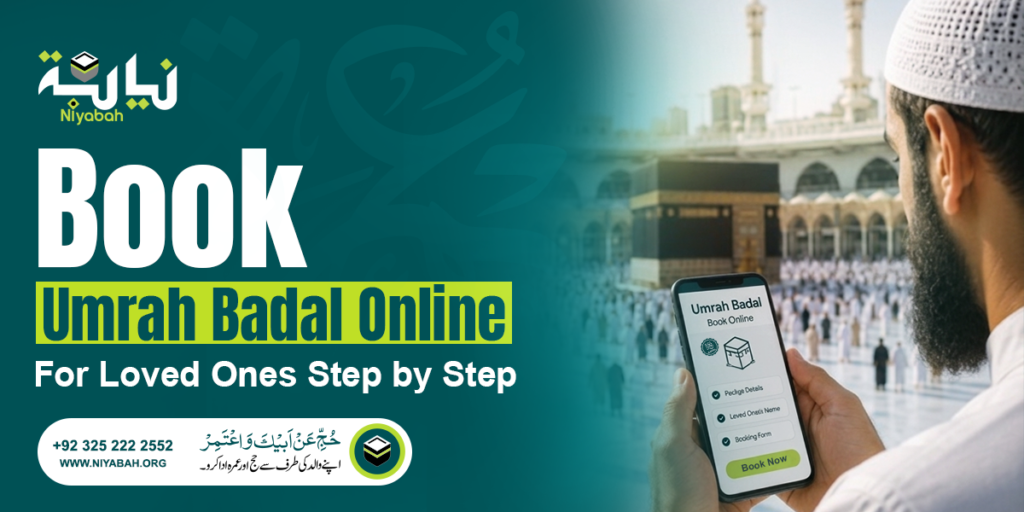
Some people pass away before they are able to visit Makkah. Others become too elderly, sick, weak, or permanently unable to travel. In such cases, families often look for a trusted way to arrange Umrah on behalf of their loved ones. This is where Umrah Badal becomes important. Umrah is one of the most peaceful and meaningful acts of worship in Islam. It is a sacred journey to Makkah that brings a Muslim closer to Allah through humility, prayer, Tawaf, Sa’i, and sincere intention. For many Muslims, performing Umrah is a lifelong dream, but not everyone gets the physical ability or opportunity to complete this journey personally. Today, it has become easier for families to arrange this service through a reliable online platform. You can now book umrah badal online by choosing a trusted service, submitting the beneficiary details, completing payment, and receiving confirmation after the Umrah has been performed. If you want to arrange this sacred act for a loved one, you can start through Niyabah’s trusted Umrah Badal service. What Is Umrah Badal? Umrah Badal means performing Umrah on behalf of another person. It is also known as proxy Umrah or Umrah on behalf of someone else. In this process, a capable Muslim performs the rituals of Umrah with the intention that the reward is for the named person. It is commonly arranged for a deceased person, such as a parent, grandparent, spouse, sibling, relative, or friend. It may also be arranged for someone who is alive but permanently unable to perform Umrah because of old age, disability, long-term illness, or serious physical weakness. The most important part of Umrah Badal is niyyah, which means intention. The person performing Umrah must make a clear intention before starting the worship that this Umrah is being performed on behalf of the specific individual. Why Families Arrange Umrah Badal Families arrange Umrah Badal for many emotional and spiritual reasons. Some people want to honor a parent who passed away. Some want to fulfill the wish of an elderly family member who always dreamed of visiting Makkah but could not travel. Others want to do something meaningful for a sick loved one who is no longer physically able to perform Umrah. For many families, Umrah Badal brings comfort. It gives them a way to remember their loved ones through an act of worship. When someone cannot travel to the holy land personally, arranging Umrah Badal can become a source of peace, love, and dua. It is also helpful for Muslims living far away from Saudi Arabia. Not every family knows someone in Makkah who can perform Umrah on their behalf. A structured online Umrah Badal booking service makes the process easier, clearer, and more accessible. Who Can Umrah Badal Be Performed for? Umrah Badal is usually arranged for people who are unable to perform Umrah themselves. Since this is a religious matter, families should approach it with sincerity and care. If the case is specific or unclear, it is better to consult a qualified Islamic scholar before booking. Umrah Badal for a Deceased Person One of the most common reasons for Umrah Badal is to perform it on behalf of someone who has passed away. This may include a mother, father, grandparent, husband, wife, sibling, relative, or any Muslim loved one. When booking for a deceased person, the family provides the name and required details of the person. The performer then makes the intention that the Umrah is being performed on behalf of that person. Umrah Badal for Elderly Parents Some people are alive but unable to travel because of old age or extreme weakness. They may have the desire to perform Umrah, but their health condition does not allow them to travel safely or complete the rituals. In this situation, families may arrange Umrah Badal for elderly parents or relatives. Before doing so, it is important to make sure that the person is genuinely unable to perform Umrah personally. Umrah Badal for a Sick or Disabled Person Umrah Badal may also be arranged for someone who is permanently unable to travel because of illness, disability, or a long-term medical condition. This may include someone who cannot manage travel, Tawaf, Sa’i, or other physical parts of Umrah. If the condition is temporary, it is better to wait until the person recovers. If the condition is permanent, then Umrah Badal may be considered. If your loved one is deceased, elderly, or permanently unable to travel, you can begin your online Umrah Badal booking through Niyabah. How to Book Umrah Badal Online Step by Step The online process should be simple, transparent, and respectful. A good service should not confuse users with unnecessary steps. Instead, it should guide the family clearly from booking to completion. If you want to book umrah badal online, the following step-by-step process will help you understand what usually happens. Step 1: Choose a Trusted Umrah Badal Service The first step is to choose a reliable service provider. Umrah Badal is not a normal online order. It is an act of worship being arranged for someone you love, so trust is very important. A good service should clearly explain what Umrah Badal is, who performs it, how the intention is made, what details are required, and how completion confirmation is shared. Before starting your booking, you can visit the Niyabah official website to understand the service and review the available options. Step 2: Select the Umrah Badal Service After choosing the platform, select the Umrah Badal service option. Some websites may offer one simple service, while others may offer different options based on timeline, communication, or confirmation method. At this stage, read the service details carefully. You should know what is included before making payment. The service should clearly mention whether it includes Umrah performance, intention on behalf of the named person, and completion update. Step 3: Provide Beneficiary Details The beneficiary is the person on whose behalf the Umrah will be performed. During the booking process, you may
Can You Perform Umrah for Someone Else?

Many Muslims ask an important question when a parent, relative, or loved one passes away, becomes seriously ill, or is no longer able to travel: can you perform Umrah for someone else? This question is not only religious. It is also deeply emotional. Many people want to benefit their deceased parents, honor an elderly family member, or arrange a spiritual act for someone who always wished to visit Makkah but never had the physical ability or opportunity. The simple answer is yes, Umrah can be performed on behalf of someone else in specific cases. This is commonly known as Umrah Badal, proxy Umrah, or Umrah by proxy. It is usually arranged for a Muslim who has passed away or for a living person who is permanently unable to perform Umrah due to old age, chronic illness, disability, or serious physical weakness. However, Umrah Badal should be understood properly before arranging it. It is not a shortcut for someone who is healthy and capable. It is an act of worship that requires correct intention, trust, sincerity, and proper performance of the Umrah rituals. If you want to arrange this sacred act for a loved one, you can begin through Niyabah’s trusted Umrah Badal service. What Is Umrah Badal? Umrah Badal means performing Umrah on behalf of another Muslim. The word Badal refers to replacement or substitution. In this case, one person performs the worship while intending that the reward is for another person. In simple words, if someone cannot perform Umrah themselves because they have passed away or are permanently unable to travel, another Muslim may perform Umrah for them with the correct niyyah. This is also known as umrah on behalf of someone, proxy Umrah, or Umrah by proxy. These terms may sound different, but they usually refer to the same concept. Umrah Badal is not just a service. It is an act of worship. The person performing it must understand the religious responsibility behind it. The family arranging it should also make sure the process is handled with care and sincerity. Can You Perform Umrah for Someone Else? Yes, you can perform umrah for someone else if the person is eligible for Umrah Badal. This usually applies in two main situations. The first situation is when the person has passed away. Many Muslims arrange Umrah Badal for deceased parents, grandparents, spouses, siblings, relatives, or close friends as an act of love, dua, and remembrance. The second situation is when the person is alive but permanently unable to perform Umrah. This may include someone who is extremely elderly, seriously ill, physically disabled, or medically unable to travel. A healthy person who has the ability to perform Umrah should perform it personally. Umrah Badal is not meant to replace personal worship for someone who is capable of going themselves. This distinction is very important. Umrah includes physical effort, travel, patience, intention, and devotion. If a person can perform it personally, that is the better and correct path. But when a person is deceased or genuinely unable, Umrah Badal becomes a meaningful option. Who Can Have Umrah Performed on Their Behalf? Umrah Badal is usually arranged for people who cannot perform Umrah themselves. Before arranging it, families should understand who qualifies and when it is appropriate. Umrah Badal for a Deceased Person One of the most common reasons for Umrah Badal is to perform Umrah on behalf of someone who has passed away. This may include a deceased mother, father, husband, wife, sibling, grandparent, relative, or any Muslim loved one. Many families feel comfort in arranging Umrah Badal because it gives them a way to remember their loved one through an act of worship. When Umrah is performed for a deceased person, the performer should make a clear intention that the Umrah is being done on behalf of that specific person. Umrah Badal for Parents Performing Umrah on behalf of parents is one of the most heartfelt forms of Umrah Badal. A son may wish to arrange Umrah for his deceased father. A daughter may want to arrange it for her mother. Some people arrange separate Umrah Badal for both parents if they passed away before getting the chance to visit Makkah. Parents make many sacrifices for their children. Arranging Umrah Badal can become a beautiful way to honor them, remember them, and make dua for them. If you want to arrange Umrah Badal for your mother, father, or another loved one, you can visit Arrange Umrah Badal for Your Loved One. Umrah Badal for an Elderly Person Some elderly people are alive but physically unable to travel. They may be too weak to manage the journey, walk for long periods, or complete the rites of Umrah. In such cases, families may consider Umrah Badal. However, the key condition is genuine inability. It should not be arranged only because travel is difficult or inconvenient. If the elderly person is alive and mentally aware, it is better to take their permission where possible. If there is any doubt about the situation, the family should consult a qualified Islamic scholar. Umrah Badal for a Sick or Disabled Person Umrah Badal may also be arranged for a Muslim who is permanently unable to travel due to chronic illness, serious disability, or a long-term medical condition. This does not refer to temporary sickness. If someone is temporarily unwell but may recover, they should wait until they are able to perform Umrah themselves. If the condition is permanent and there is no realistic possibility of performing Umrah personally, Umrah Badal may be considered. Who Should Perform Umrah Badal? The person performing Umrah Badal carries an important responsibility. They are not simply completing a travel-related task. They are performing an act of worship on behalf of another Muslim. The Performer Should Be Muslim The person performing Umrah Badal must be Muslim because Umrah is an Islamic act of worship. They should understand the sacred nature of the journey and the responsibility of performing it for someone else.