Umrah is a deeply spiritual journey, but many people today are not just asking what Umrah Badal is to understand how it actually works in real life.
While many guides explain the theory, there is often confusion about the practical execution. Questions like:
- How is Umrah performed on behalf of someone?
- What steps are followed in real situations?
- How do services manage the process?
It focuses on the practical side of Umrah Badal, giving you a clear and realistic understanding of how everything works from start to finish.
Concept of Representation (Niyabah)
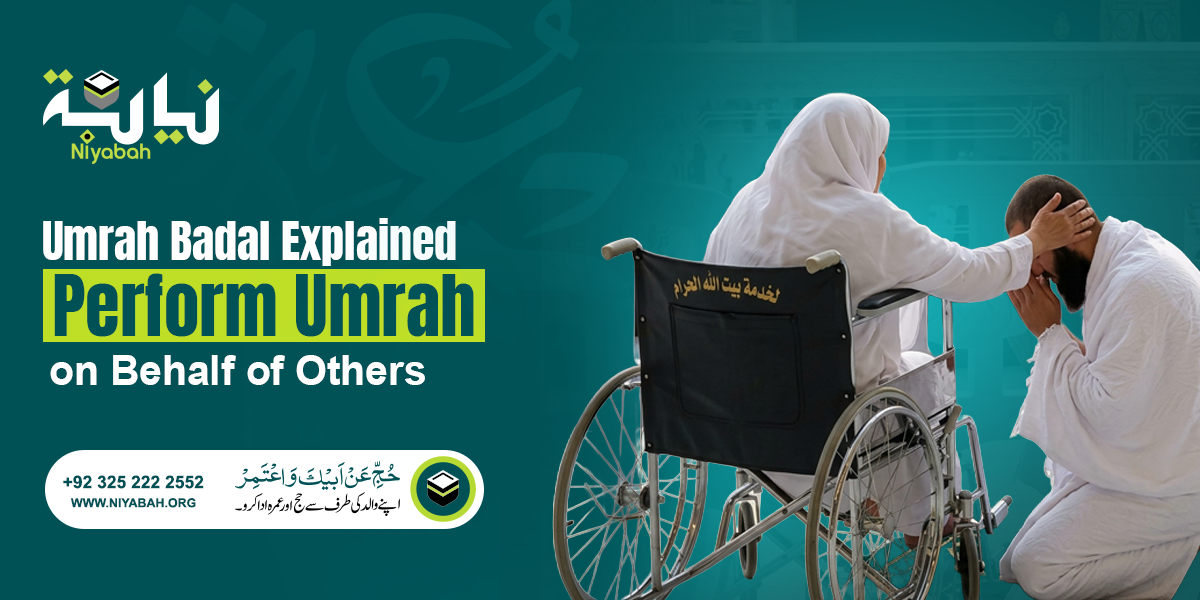
At the core of Umrah Badal is the concept of Niyabah, which means representation. In simple terms, one person performs Umrah while acting on behalf of another individual.
This does not change the rituals of Umrah itself. Instead, it changes the intention behind the act. The person performing Umrah makes a clear intention that the reward is for someone else. All rituals are carried out in Makkah exactly as they would be in a normal Umrah. The difference lies only in who receives the reward.
Niyabah is what makes Umrah Badal valid. Without it, the Umrah becomes a personal act rather than one done for another person. That is why clarity and sincerity in representation are essential.
Eligibility for Umrah Badal (Niyabah)
Not everyone is suitable to perform Umrah Badal. Since this act involves Niyabah (representation), the person must meet certain requirements to ensure the Umrah is completed correctly and responsibly.
- Must Be Muslim and Mentally Sound: The performer should be a practicing Muslim who fully understands the responsibility of acting on behalf of someone else. Mental clarity is essential for making a proper intention and completing the rituals correctly.
- Physically Capable of Completing Umrah: Umrah requires physical effort, including walking and performing multiple rituals in Makkah. The person must be able to complete all steps without leaving anything incomplete.
- Knowledge of the Umrah Process: The performer should clearly understand each ritual, including:
- Ihram
- Tawaf
- Sa’i
- Halq or Qasr
Lack of knowledge can lead to mistakes that may affect validity.
- Prior Experience: It is strongly recommended that the person has already performed their own Umrah. This ensures practical understanding and helps avoid errors during proxy execution.
- Trustworthy and Responsible: Since Umrah Badal is often arranged through services, trust is critical. The performer must act honestly and complete the Umrah with sincerity, not just as a routine task.
Applicable Cases for Umrah Badal
Umrah Badal is intended for those unable to perform Umrah themselves. It is not a convenience option but a solution for genuine situations.
- Parents (Most Common Case): Many people arrange Umrah Badal for their parents, especially when they are elderly or unable to travel. It is seen as a way to fulfill their spiritual wish.
- Relatives and Loved Ones: It can also be performed for other family members, such as siblings or close relatives who are permanently unable to perform Umrah.
- Deceased Individuals: One of the most common uses of Umrah Badal is for those who have passed away without performing Umrah. This act becomes a meaningful way to honor them and send a reward on their behalf.
People with Permanent Limitations
This includes individuals who are:
- Seriously ill
- Physically disabled
- Unable to travel for life
Temporary situations, such as financial issues or short-term illness, do not qualify.
Important Clarification
Umrah Badal should only be performed when the inability is permanent and genuine. A healthy and capable person is expected to perform Umrah themselves rather than rely on a Niyabah.
Umrah Badal Ritual Steps
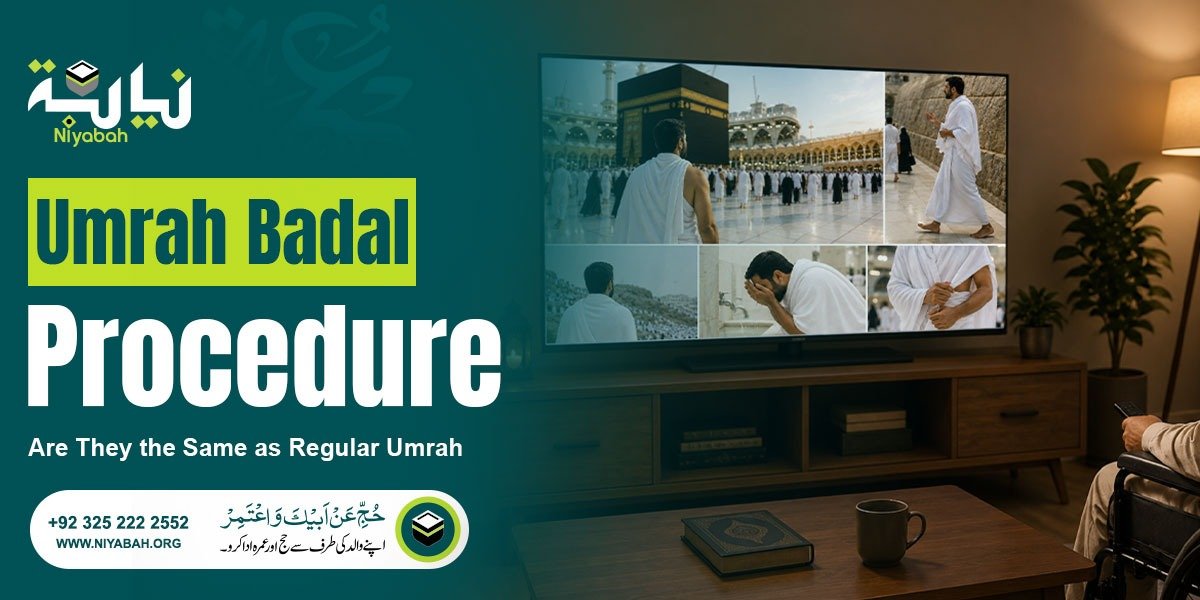
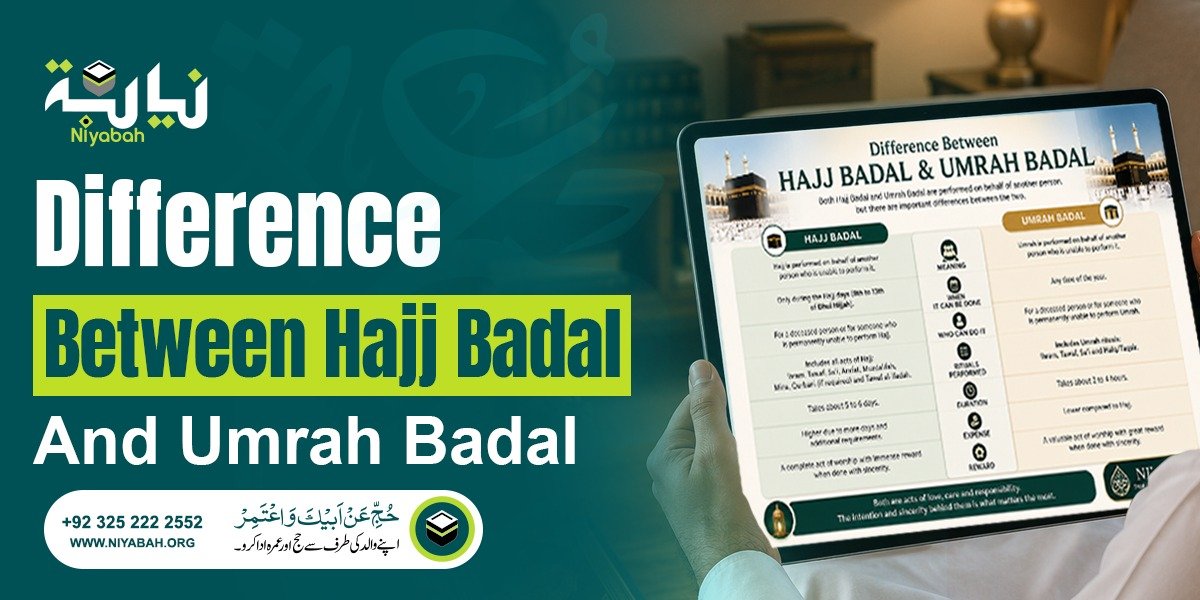
The ritual process of Umrah Badal is the same as a normal Umrah. The only difference is that it is performed under Niyabah (representation) on behalf of another person.
All rituals are carried out in Makkah and must follow the correct sequence.
1. Declare Niyabah Before Ihram
Before entering the Ihram, the performer must clearly declare that this Umrah is for a specific person.
- Clearly identify the individual (name recommended)
- Keep the intention focused and sincere
- This step defines the Umrah as a proxy
Without proper Niyabah, the Umrah will count as personal.
2. Enter the State of Ihram
The performer enters the Ihram from the Miqat.
- Wear Ihram clothing (for men)
- Follow all Ihram restrictions
- Recite Talbiyah
This marks the official beginning of the Umrah journey.
3. Perform Tawaf Around the Kaaba
After reaching the Kaaba, Tawaf is performed.
- Complete 7 rounds around the Kaaba
- Start from Hajar al-Aswad
- Maintain focus and proper sequence
This is one of the most essential rituals.
4. Perform Sa’i Between Safa and Marwah
After Tawaf, the next step is Sa’i.
- Walk between Safa and Marwah
- Complete 7 rounds
- Follow the correct order
This step reflects patience and devotion.
5. Perform Halq or Qasr
The final step completes the Umrah.
- Halq (shaving the head)
- Qasr (trimming the hair)
After this, the Umrah Badal is complete, and the reward is intended for the person under Niyabah.
Why Accuracy Matters in Umrah Badal
Even though Umrah is performed on behalf of someone else, its acceptance depends on how correctly it is performed. Any mistake in the process can affect whether the reward reaches the intended person.
This is why proper knowledge, experience, and sincerity are critical when performing Umrah under Niyabah.
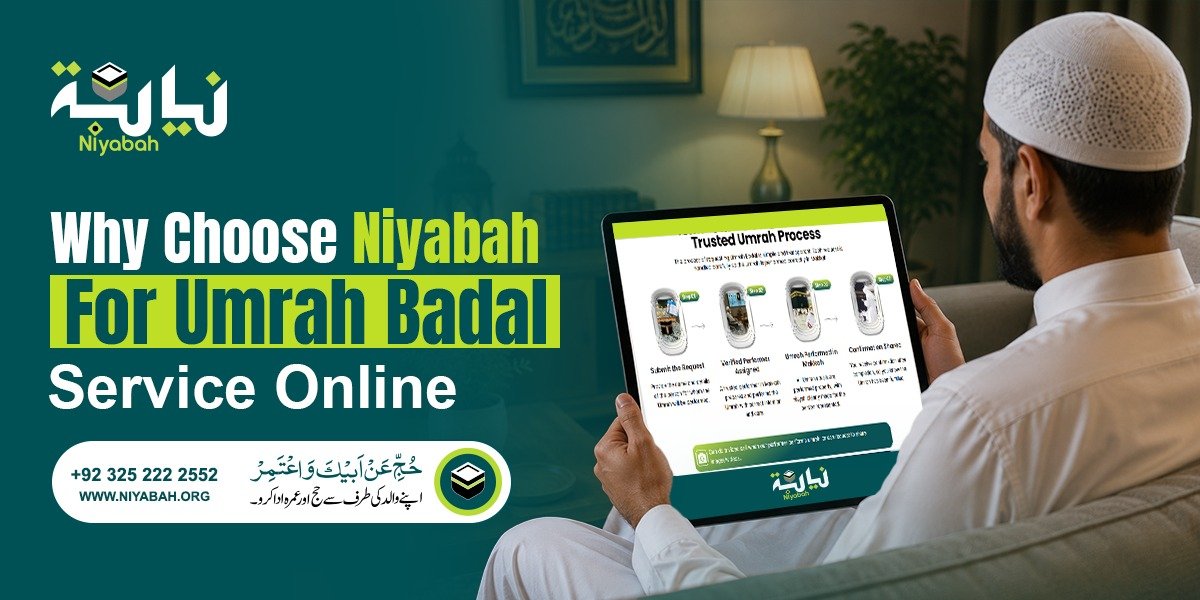
Umrah Badal Process Flow
In real situations, Umrah Badal is usually arranged through a structured process rather than individually. This makes it easier to manage and ensures proper execution of Umrah under Niyabah.
- Booking the Service: The process typically starts with selecting a service and providing details of the person for whom the Umrah will be performed.
- Assigning a Performer: A qualified individual is assigned to perform all rituals correctly in Makkah.
- Performing the Umrah: The assigned person completes all the ritual steps step by step with proper Niyabah and the correct method.
- Confirmation and Updates: After completion, confirmation is usually provided. Some services also provide updates or evidence to demonstrate transparency.
This structured flow helps reduce confusion and ensures that the process is handled responsibly.
Common Mistakes in Practical Execution
Many people face issues because they overlook important details when arranging Umrah Badal.
- Choosing Unreliable Services: Selecting unknown or unverified providers can create serious doubts about whether the Umrah was actually performed.
- Lack of Transparency: Some services do not provide updates, proof, or clear communication. This leads to uncertainty and a lack of trust.
- Ignoring Niyabah Clarity: If the intention is not clearly made for a specific person, the Umrah may not be valid as a proxy.
- Treating It as a Simple Transaction: Umrah Badal is a religious responsibility, not just a service. Ignoring this can affect sincerity and purpose.
Avoiding these mistakes is essential to ensure that Umrah is performed correctly and that the reward reaches the intended recipient.
Where to Arrange Umrah Badal
To ensure proper execution and avoid confusion, it is important to choose a structured and reliable platform.
Such platforms provide:
- A clear and organized process
- Qualified individuals performing Umrah in Makkah
- Transparency and proper handling of Niyabah
This approach helps ensure that the responsibility is fulfilled correctly and gives peace of mind.
Conclusion
Umrah Badal is not just a concept but a practical process that allows Muslims to perform Umrah on behalf of others who cannot do it themselves. From understanding Niyabah to following the correct steps and choosing reliable services, every part of the process matters.
When handled properly, it becomes a meaningful act of worship that delivers reward and satisfaction. By focusing on correct execution and avoiding common mistakes, you can ensure that Umrah Badal is performed with sincerity, accuracy, and trust.
FAQs
1. What is Umrah Badal, and how does it work?
Umrah Badal is when someone performs Umrah on behalf of another person. It works through Niyabah, meaning representation. The performer completes all rituals while intending the reward for someone else. The process remains the same as a normal Umrah. It is commonly arranged through structured services.
2. What does Niyabah mean in Umrah Badal?
Niyabah means acting as a representative for another person. In Umrah Badal, the performer makes an intention on behalf of someone else. This intention defines the entire act as an Umrah Badal. Without Niyabah, the Umrah becomes personal. It is the core concept that makes Umrah Badal valid.
3. Who can perform Umrah Badal?
A Muslim who is mentally sound and physically capable can perform Umrah Badal. The person should have a thorough understanding of all rituals. It is recommended that they have already performed their own Umrah. Experience helps ensure accuracy. Trustworthiness is also very important.
4. Who can the Umrah Badal be performed for?
Umrah Badal can be performed for parents, relatives, or loved ones. It is mainly for those who cannot perform Umrah due to permanent reasons. This includes elderly individuals, seriously ill people, or deceased persons. Temporary issues do not qualify. The inability must be genuine and long-term.
5. How is Umrah Badal performed step by step?
Umrah Badal is performed in Makkah just like a regular Umrah. The steps include Ihram, Tawaf around the Kaaba, Sa’i between Safa and Marwah, and Halq or Qasr. The only difference is the intention made for another person. Each step must be completed correctly. The sequence should not be changed.
6. Is Umrah Badal allowed in Islam?
Yes, Umrah Badal is allowed in Islam when a person cannot perform Umrah themselves. This includes cases of old age, serious illness, or death. It is not allowed for healthy individuals who can travel. The intention must be clear and sincere. Proper conditions must be followed.
7. Can Umrah Badal be done for deceased parents?
Yes, Umrah Badal is commonly performed for deceased parents. It is done when they cannot perform Umrah in their lifetime. This act is considered a way to reward them. Many people choose this as a form of ongoing charity. It also brings emotional peace to family members.
8. What is the real-life process of arranging Umrah Badal?
In real life, Umrah Badal is usually arranged through a service. The process includes booking, assigning a performer, completing the rituals, and receiving confirmation. Some platforms also provide updates or proof. This structured approach ensures clarity. It helps maintain trust in the process.
9. What are the common mistakes in Umrah Badal?
Common mistakes include choosing unverified services and ignoring transparency. Some people do not ensure proper Niyabah is made. Others treat it as a simple service instead of worship. Lack of proof is also a major issue. Avoiding these mistakes ensures correct execution.
10. How to choose a trusted Umrah Badal service?
Choose a service that clearly explains the process and provides transparency. Make sure qualified individuals perform the Umrah in Makkah. Look for confirmation or updates after completion. Avoid unclear or random providers. A structured platform ensures proper Niyabah and reliability.