Islamic scholars across different schools of thought generally agree that Umrah can be performed on behalf of another person under valid circumstances. This agreement is based on the principle of Niyabah (representation) and the broader understanding of ease in worship when a person is unable to act for themselves.
General Scholarly Agreement
Most scholars hold the view that Umrah Badal is permissible when:
- The person is permanently unable to perform Umrah
- The performer completes all rituals correctly
- The intention is clearly made for the specific individual
This consensus provides a strong foundation for understanding its validity in Islam.
Differences in Scholarly Approach
While there is general agreement, some scholars differ in how strictly the conditions should be applied.
- Some emphasize that the performer should have already completed their own Umrah
- Others focus more on the correctness of the process and intention
- Some stress additional caution when arranging Umrah through third-party services
These differences do not reject the concept but highlight the importance of performing it properly.
Scholarly Emphasis on Responsibility
Scholars consistently emphasize that Umrah Badal is not merely allowed but a responsibility when undertaken.
- The performer must act with sincerity
- The rituals must be carried out accurately in Makkah
- The process should not be rushed or treated casually
This ensures that the act maintains its religious value.
Key Conditions for Umrah Badal
To ensure that Umrah Badal is valid and accepted, scholars outline specific conditions that must be fulfilled.
1. Permanent Inability of the Person
The person for whom Umrah is being performed must be unable to perform it themselves due to:
- Old age
- Serious or long-term illness
- Death
Temporary conditions do not qualify under this rule.
2. Clear Niyabah (Intention)
The intention must be:
- Made before starting Umrah
- Clearly directed toward a specific person
- Maintained throughout the rituals
This is the core condition that defines the act as Umrah Badal.
3. Capability of the Performer
The person performing Umrah must be:
- Physically able to complete all rituals
- Mentally sound
- Knowledgeable about the process
Mistakes in rituals can affect the validity of the Umrah.
4. Proper Execution of Rituals
All rituals must be completed correctly in Makkah:
- Ihram
- Tawaf
- Sa’i
- Halq or Qasr
Skipping or incorrectly performing any step can impact acceptance.
5. Sincerity and Trustworthiness
The act must be performed with honesty and sincerity.
- It should not be treated as a routine task
- The performer must fulfill the responsibility properly
- Trust is especially important when services are involved
Cases Where Umrah Badal Is Not Allowed
While Umrah Badal is permitted under specific conditions, scholars clearly outline situations where it should not be used. Understanding these limits is essential to avoid misuse.
Temporary Inability
If a person is facing short-term issues such as:
- Financial difficulty
- Travel restrictions
- Temporary illness
They are expected to wait until they can perform Umrah themselves. Umrah Badal is not meant to replace personal effort in such cases.
Healthy and Capable Individuals
A person who is physically and financially capable should perform Umrah themselves.
- It is a personal act of worship
- It carries a spiritual experience that cannot be replaced
- Using Umrah Badal for convenience is not appropriate
Lack of Proper Intention (Niyabah)
If the intention is not clearly made for a specific person:
- The Umrah becomes a personal act
- The purpose of representation is lost
- The reward may not reach the intended individual
Practical Application in Modern Times
In today’s world, Umrah Badal is often arranged through organized systems that help manage the process efficiently. These systems aim to maintain the correct method while making the process accessible.
Structured Process Approach
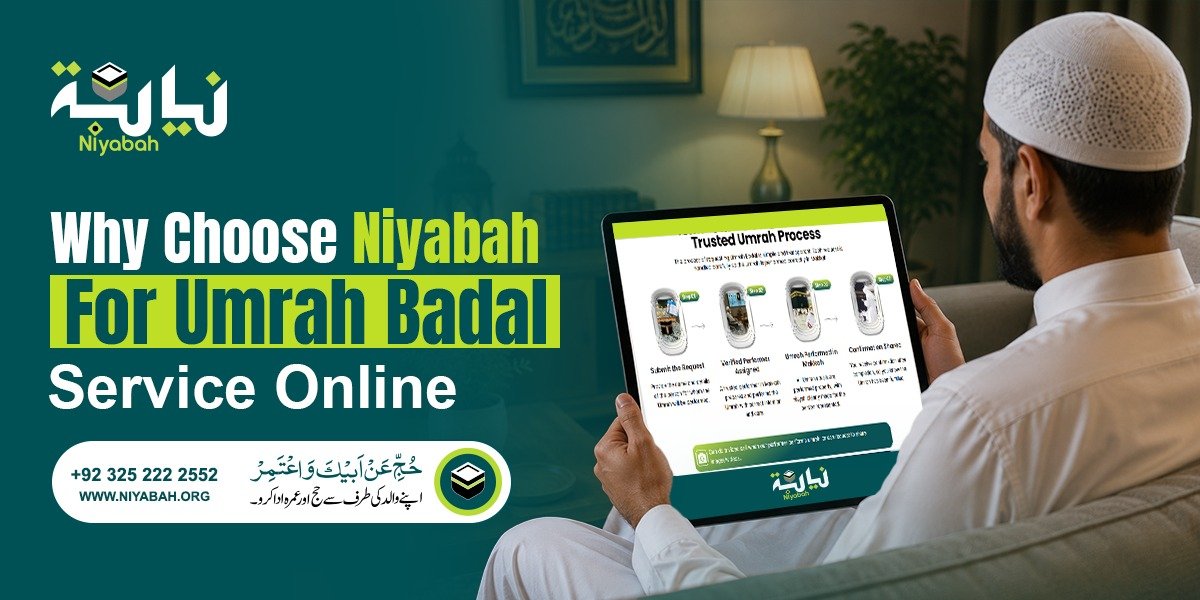
Modern arrangements usually follow a clear flow:
- Booking the service
- Assigning a qualified performer
- Performing Umrah in Makkah
- Confirming completion
This structure helps ensure that the process is handled responsibly.
Role of Reliable Platforms
With the availability of services, choosing a reliable platform becomes important.
- Ensures proper Niyabah
- Provides transparency
- Assigns experienced individuals
- Maintains accountability
This reduces uncertainty and builds trust.
Common Misunderstandings
Many misconceptions exist around Umrah Badal, and these misunderstandings often lead to confusion or incorrect practice. Because this topic is connected to acts of worship, it is important to clearly separate facts from assumptions.
A proper understanding helps ensure that Umrah Badal is performed with sincerity, accuracy, and in line with Islamic guidance.
- It Can Replace Umrah for Everyone
One of the most common misunderstandings is that Umrah Badal can be used as a replacement for anyone.
This is not correct. Umrah Badal is only allowed for individuals who are permanently unable to perform Umrah themselves due to valid reasons, such as:
- Old age
- Chronic illness
- Death
If a person is healthy and able to travel in the future, they are expected to perform Umrah themselves. The personal journey, effort, and spiritual experience cannot be replaced without a valid reason. Using Umrah Badal as a shortcut goes against its true purpose.
- Any Service Is Acceptable
Another misconception is that any available service can be used without verification. In reality, not all services follow proper guidelines. Some may lack:
- Clear process explanation
- Qualified individuals
- Transparency in execution
Without proper verification, there is uncertainty about whether the Umrah was performed correctly in Makkah. This is why it is essential to choose a reliable, structured platform that ensures proper handling of Niyabah and the correct execution of rituals.
- It Is Just a Transaction
Some people treat Umrah Badal as a simple paid service, similar to any other task. This understanding is incorrect. Umrah Badal is an act of worship, not just a transaction. It requires:
- Sincere intention (Niyabah)
- Proper performance of rituals
- Responsibility from the performer
When the act is treated casually, its spiritual value is diminished. The focus should always remain on fulfilling a religious duty with honesty and care.
- Intention Is Not That Important
A less obvious but important misunderstanding is underestimating the role of intention. In Umrah Badal, intention (Niyabah) is the foundation of the entire process. Without a clear and specific intention:
- The Umrah may be counted as personal
- The reward may not reach the intended person
This is why intention must be made clear before starting and maintained throughout the process.
Proof or Confirmation Is Not Necessary
Some people believe that once they arrange Umrah Badal, no further verification is needed. However, in modern arrangements, confirmation plays an important role. Reliable services often provide:
- Completion confirmation
- Process transparency
- Updates when possible
This does not change the spiritual nature of the act but adds trust and clarity, especially when the process is handled remotely.
Where to Arrange Umrah Badal
To ensure that Umrah Badal is performed correctly and without confusion, it is important to choose a structured and reliable option. Since this act involves Niyabah (representation), the process must be handled with clarity, trust, and proper understanding.
In many cases, people face uncertainty about who will perform Umrah or whether the rituals will be performed properly. This is why selecting a well-organized platform becomes essential rather than relying on informal or unclear arrangements.
Such platforms are designed to manage the entire process professionally and transparently, ensuring that every step is carried out according to proper guidelines.
Key Features of a Reliable Umrah Badal Service
- Clear and Organized Process: A structured service follows a step-by-step system, from booking to completion. This removes confusion and ensures that everything is handled properly without missing any important detail.
- Qualified Individuals Performing Umrah: The Umrah is performed in Makkah by individuals who understand the rituals and can complete them correctly. Their experience helps ensure that the process is valid and reliable.
- Proper Handling of Niyabah: The intention (Niyabah) is carefully managed to ensure the Umrah is performed on behalf of the correct person. This is a critical part of the process and must not be overlooked.
- Transparency and Communication: Trusted services provide clarity about how the Umrah will be performed. Many also offer updates or confirmation after completion, which builds confidence and trust.
- Accountability and Trust: A reliable platform takes responsibility for the entire process. This ensures that the Umrah is not only performed but also done with sincerity and proper care.
Conclusion
Umrah Badal is allowed in Islam, but it is subject to clear rules and conditions. It is a form of ease provided for those who are genuinely unable to perform Umrah themselves.
By understanding the Islamic ruling, evidence, and scholarly views, it becomes clear that Umrah Badal is not a general replacement for personal worship. It is a responsibility that must be handled with sincerity, proper intention, and correct execution.
When done correctly, it becomes a meaningful act that allows spiritual benefit to reach those who cannot perform Umrah themselves, while maintaining the integrity of Islamic teachings.
FAQs
1. Is Umrah Badal allowed in Islam?
Yes, Umrah Badal is allowed in Islam when a person cannot perform Umrah themselves. This includes cases of old age, serious illness, or death. Scholars generally agree on its permissibility under these conditions. It must be done with proper Niyabah (intention). The process should follow correct Islamic guidelines.
2. What is the Islamic ruling on Umrah Badal?
The Islamic ruling states that Umrah Badal is permissible when a person is permanently unable to perform Umrah. It is not allowed for healthy individuals who can travel. Scholars emphasize conditions such as intention and correct execution. The ruling is based on ease within limits. It must not be used for convenience.
3. What evidence from Hadith supports Umrah Badal?
Islamic teachings show that acts of worship can be performed on behalf of others in certain cases. There are examples where companions asked about performing a pilgrimage for relatives. These teachings form the basis for allowing Umrah Badal. Scholars derive rulings from such principles. The permission comes with specific conditions.
4. What do scholars say about Umrah Badal?
Most scholars agree that Umrah Badal is permissible with conditions. They emphasize the person’s permanent inability and the proper Niyabah. Some scholars stress the performer’s prior experience. Others focus on the correct execution of rituals. Overall, there is strong agreement with careful guidelines.
5. When is Umrah Badal not allowed?
Umrah Badal is not allowed when a person is healthy and capable of performing Umrah themselves. It is also not valid for temporary situations, such as financial issues or short-term illness. Scholars emphasize that it should not be used for convenience. The inability must be permanent. This preserves the purpose of the act.
6. Who can perform Umrah Badal?
A Muslim who is mentally sound and physically capable can perform Umrah Badal. The person should be knowledgeable about all rituals. It is recommended that they perform their own Umrah first. Proper understanding ensures correct execution. Trustworthiness is also important.
7. What are the key conditions for Umrah Badal?
The main conditions include the person’s permanent inability and clear Niyabah. The performer must be capable and knowledgeable. All rituals must be performed correctly in Makkah. Sincerity is also essential. These conditions ensure validity.
8. Can Umrah Badal be done for deceased persons?
Yes, Umrah Badal can be performed for deceased individuals. It is commonly done for parents or relatives who cannot perform Umrah. This act allows the reward to reach them. It is considered meaningful and beneficial. Many people arrange it as a form of remembrance.
9. How can Umrah Badal be arranged today?
Today, Umrah Badal is often arranged through structured services. These platforms assign qualified individuals to perform Umrah in Makkah. The process includes booking, execution, and confirmation. Choosing a reliable service is important. Transparency ensures trust and proper handling.