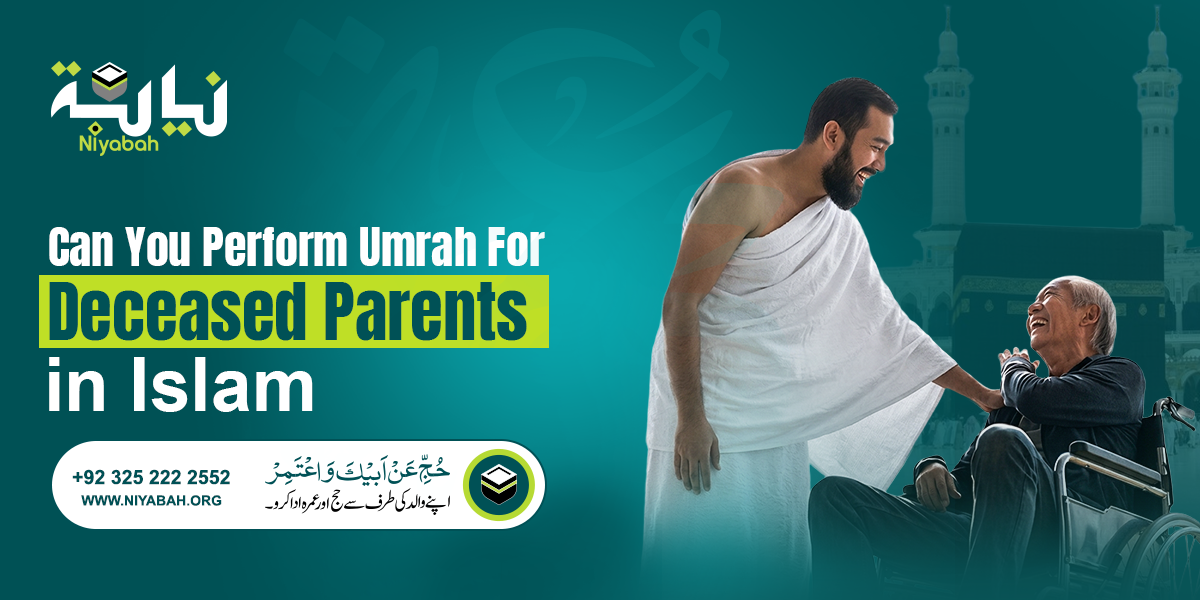
Umrah is a deeply spiritual journey that many Muslims hope to complete in their lifetime. However, not everyone gets the opportunity to perform Umrah before they pass away. This creates a common and emotional question.
Can Umrah be performed for a deceased parent?
For many people, this question is not just about religious rules; it is about love, respect, and a desire to give something meaningful back to their parents. When a parent passes away without performing Umrah, children often seek ways to fulfill that spiritual wish on their parent’s behalf.
This is where Umrah Badal becomes important. It allows someone to perform Umrah on behalf of a deceased individual, ensuring that the reward reaches them.
Islamic Ruling on Umrah for Deceased Parents
The general understanding among scholars is that Umrah can be performed on behalf of a deceased parent. This is based on the concept of Niyabah (representation), in which one person performs an act of worship for another under specific conditions.
Islam provides ease in situations where a person was unable to complete certain acts of worship during their lifetime. In the case of deceased parents, Umrah Badal becomes a valid way to fulfill that missed opportunity.
Permissibility in Islamic Teachings
Scholars generally agree that performing Umrah for a deceased parent is permissible, especially when:
- The parent had the desire or intention to perform Umrah
- They were unable to do so due to illness, age, or circumstances
- The act is carried out with proper Niyabah and the correct method
This permission reflects the mercy and flexibility of Islamic teachings, allowing rewards to reach those who can no longer act for themselves.
Basis in Islamic Understanding
The ruling is derived from the broader principle that certain acts of worship can be performed on behalf of others. In Islamic tradition, there are examples of companions asking about performing acts like pilgrimage for relatives who could not do so themselves.
From this understanding, scholars extend the same principle to Umrah, especially when it involves a deceased parent. The focus remains on intention, sincerity, and correct execution.
Conditions Attached to This Permission
Although allowed, this act is not unconditional. Scholars emphasize that certain conditions must be fulfilled:
- The intention must be clearly made for the deceased parent
- The person performing Umrah must be capable and knowledgeable
- All rituals must be completed correctly in Makkah
These conditions ensure that the act remains valid and meaningful.
Important Clarification
It is important to understand that Umrah Badal is not a replacement for personal responsibility in all cases. It is specifically allowed when the person can no longer perform Umrah themselves.
For deceased parents, this condition is naturally fulfilled, which is why it is commonly practiced and accepted.
Spiritual Perspective
From a spiritual point of view, performing Umrah for a deceased parent is seen as an act of kindness and remembrance.
- It reflects gratitude and respect
- It allows children to continue supporting their parents
- It becomes a source of reward for both
Benefits of Umrah for Deceased Parents
Performing Umrah for deceased parents carries deep spiritual and emotional significance. It is not only an act of worship but also a way to continue honoring them after their passing.
Ongoing Spiritual Reward
One of the most important benefits is that the reward of Umrah reaches the deceased parent. This act is often considered similar to Sadqa Jariya, where the benefit continues even after death.
- Provides spiritual benefit to the parent
- Acts as a source of ongoing reward
- Reflects care beyond this life
Fulfilling an Uncompleted Desire
Many parents wish to perform Umrah but are unable to do so during their lifetime.
- Umrah Badal fulfills that missed opportunity
- Helps complete a spiritual goal they had
- Brings a sense of fulfillment for the family
Emotional Peace for Children
Beyond religious reward, this act brings strong emotional comfort.
- Creates peace of mind for children
- Strengthens the feeling of connection with parents
- Provides satisfaction of fulfilling a duty
Act of Love and Gratitude
Performing Umrah for parents is a powerful expression of love.
- Honors their sacrifices
- Reflects gratitude and respect
- Strengthens family values even after death
Umrah Badal Step-by-Step Process for Deceased Parents
The process of performing Umrah on behalf of deceased parents follows a clear and structured approach. While the rituals take place in Makkah, the arrangement usually starts beforehand.
1. Select a Reliable Service
The first step is choosing a trustworthy platform or individual.
- Ensure transparency in the process
- Confirm how Umrah will be performed
- Verify reliability and experience
2. Provide Parents’ Details
You will need to share information about the deceased parent.
- Full name (recommended)
- Relation (father or mother)
- Status (deceased)
This ensures proper identification during Niyabah.
3. Confirm Niyabah (Intention)
The intention is the most important part of the process.
- The performer clearly makes Niyabah before starting
- The Umrah is dedicated to the specific parent
- The intention must remain consistent throughout
4. Perform Umrah Rituals
The assigned individual completes all rituals correctly.
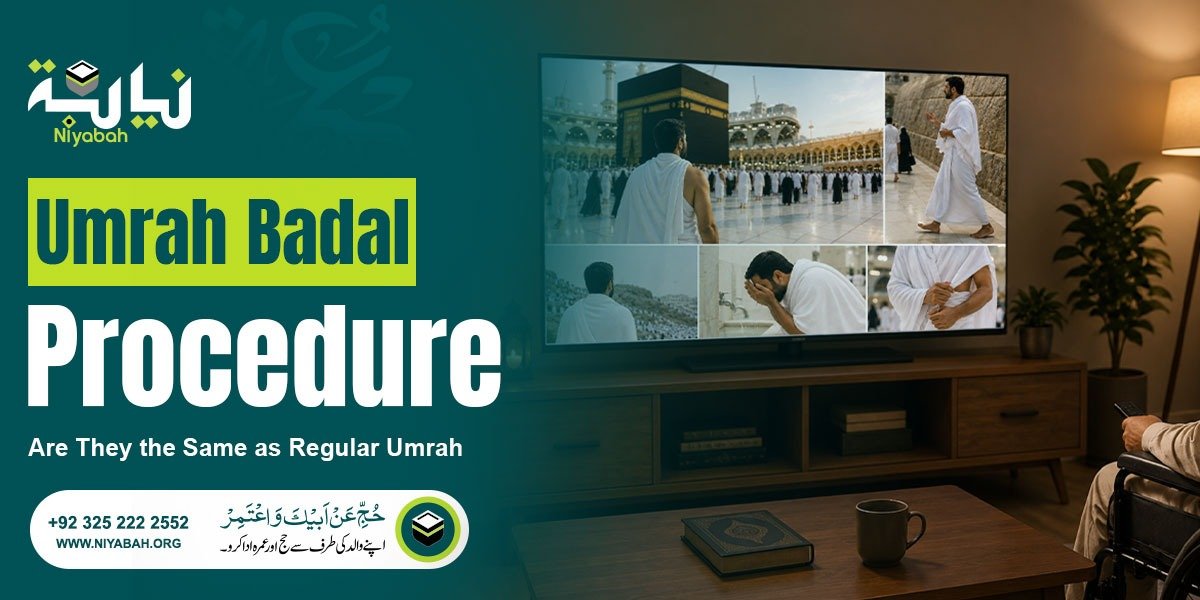
- Enter Ihram
- Perform Tawaf around the Kaaba
- Complete Sa’i between Safa and Marwah
- Finish with Halq or Qasr
All steps are performed exactly like a normal Umrah.
5. Completion and Confirmation
After completing the Umrah:
- Confirmation is usually provided
- Some services offer updates
- Transparency builds trust
Important Practical Note: Even though the process is handled through a service, responsibility remains important. Each step must be completed correctly to ensure that the reward reaches the deceased parent.
Why Proper Process Matters
Accuracy in the process ensures:
- Validity of the Umrah
- Correct direction of reward
- Peace of mind for the family
Important Conditions for Umrah Badal
To ensure that the Umrah performed for deceased parents is valid and meaningful, certain conditions must be followed with care. These conditions are not just technical requirements; they protect the act’s spiritual value and authenticity.
- Clear and Specific Niyabah (Intention)
The most important condition is making a clear intention (Niyabah) before starting Umrah.
- The intention must be for a specific parent (father or mother)
- It should be made before entering the Ihram
- It must remain consistent throughout all rituals
Without proper Niyabah, the Umrah will be counted as personal rather than being performed on behalf of the deceased parent. This makes intention the foundation of the entire process.
- Permanent Status of the Parent
In the case of deceased parents, this condition is naturally fulfilled. Since they are no longer able to perform Umrah themselves, performing it on their behalf becomes valid.
- Applies to parents who passed away without performing Umrah
- Also valid even if they had the desire but no opportunity
- Considered a continuation of good deeds for them
This makes Umrah Badal one of the most meaningful acts children can perform for their parents after death.
- Capability of the Performer
The person performing Umrah must be fully capable of completing all rituals correctly.
- Physically able to perform all steps
- Mentally sound and aware
- Knowledgeable about the Umrah process
Since the rituals are performed in Makkah, the performer must ensure that no step is skipped or done incorrectly. Proper execution is essential for validity.
- Correct Performance of All Rituals
Every ritual of Umrah must be completed in the correct order and method.
- Entering Ihram from Miqat
- Performing Tawaf around the Kaaba
- Completing Sa’i between Safa and Marwah
- Finishing with Halq or Qasr
Even small mistakes in these steps can affect the outcome. That is why attention to detail is very important.
- Sincerity and Responsibility
Umrah Badal is not just a process; it is an act of worship that requires sincerity.
- The performer must act with honesty
- The intention should be genuine
- The act should not be rushed or treated casually
When sincerity is present, the act holds its true spiritual value and purpose.
Common Mistakes to Avoid
Even though the process seems simple, many people make mistakes that can create confusion or reduce trust. Understanding these mistakes helps ensure a smooth and correct experience.
Choosing Unverified or Unknown Services
One of the biggest mistakes is selecting services without proper research.
- No clarity about who will perform the Umrah
- No confirmation of completion
- Lack of accountability
This raises doubts about whether the Umrah was performed correctly.
Lack of Transparency in Process
If the process is not clearly explained, it leads to uncertainty.
- No details about how rituals will be performed
- No communication during or after completion
- Unclear handling of Niyabah
A transparent process is essential for trust.
Ignoring the Importance of Niyah
Some people underestimate the role of intention.
- Missing or unclear intention invalidates the purpose
- General intention without specifying the person is not sufficient
Niyabah must always be clear and specific.
Treating Umrah Badal as a Simple Service
Another common mistake is viewing Umrah Badal as just a paid task.
- It reduces the spiritual importance
- Removes focus from sincerity
- Turns worship into routine work
This approach goes against the true purpose of the act.
Where to Arrange Umrah Badal
To avoid confusion and ensure proper execution, it is important to choose a structured and reliable platform. A well-managed system helps maintain both accuracy and trust throughout the process.
These platforms are designed to handle Umrah Badal professionally and in an organized manner, ensuring that every step is completed properly.
What a Reliable Service Provides
- Clear and Organized Process
From booking to completion, everything is handled step by step. This ensures no part of the process is missed. - Qualified Individuals Performing Umrah
The rituals are performed in Makkah by individuals who understand the process and can complete it correctly. - Proper Handling of Niyabah
The intention is managed carefully to ensure that the Umrah is performed for the correct person. - Transparency and Confirmation
Many services provide updates or confirmation after completion, which builds confidence and trust. - Accountability and Reliability
A structured system ensures that responsibility is taken seriously and the Umrah is completed as promised.
Why Choosing the Right Service Matters
Umrah Badal is a responsibility, not just a process. Choosing the right service ensures that this responsibility is fulfilled with sincerity and accuracy.
A reliable approach:
- Removes uncertainty
- Ensures correct execution
- Provides peace of mind
This is especially important when performing Umrah for deceased parents, where the intention is deeply emotional and meaningful.
Conclusion
Performing Umrah for deceased parents is a powerful act of love, respect, and responsibility. It allows children to continue supporting their parents spiritually even after their passing.
By understanding the conditions, avoiding common mistakes, and choosing a reliable service, you can ensure that Umrah Badal is performed correctly. When done with sincerity and proper care, it becomes a source of reward, peace, and lasting connection.
FAQs
1. Can you perform Umrah for a deceased parent?
Yes, you can perform Umrah for a deceased parent through Umrah Badal. Scholars generally allow it when the parent could not perform Umrah in their lifetime. The performer makes Niyabah on their behalf. All rituals are completed normally. The reward is intended for the deceased parent.
2. Is Umrah Badal allowed for deceased parents in Islam?
Yes, Umrah Badal is allowed for deceased parents in Islam. It is based on the principle of Niyabah, where acts of worship can be performed for others. Scholars permit it with proper conditions. The intention must be clear and sincere. The rituals must be performed correctly.
3. What is the reward of Umrah for deceased parents?
Performing Umrah for deceased parents provides a spiritual reward to them. It is often seen as a form of ongoing charity. This act helps increase their reward after death. It also brings peace of mind to children. It reflects love and remembrance.
4. How is Umrah Badal performed for deceased parents?
The process includes selecting a reliable service and assigning a performer. The person makes Niyabah for the deceased parent before starting. Umrah is then performed in Makkah. All rituals, such as Ihram, Tawaf, Sa’i, and Halq, are completed. Confirmation is usually provided after completion.
5. What is Niyabah in Umrah Badal?
Niyabah means performing an act of worship on behalf of someone else. In Umrah Badal, the performer makes an intention for the deceased parent. This ensures the reward goes to them. Without Niyabah, the Umrah becomes personal. It is the most important part of the process.
6. Who can perform Umrah Badal for deceased parents?
A Muslim who is mentally sound and physically capable can perform Umrah Badal. The person should understand the entire Umrah process. It is recommended that they have performed Umrah before. Experience ensures accuracy. Trustworthiness is also important.
7. What are the conditions for Umrah Badal?
The main conditions include clear Niyabah and correct performance of rituals. The performer must be capable and knowledgeable. All steps must be completed properly in Makkah. Sincerity is essential. These conditions ensure validity.
8. Can Umrah be done for both parents together?
No, one Umrah can only be performed for one person at a time. Each parent requires a separate Umrah with a separate intention. This ensures clarity in Niyabah. Performing one Umrah for multiple people is not valid. Separate arrangements are needed.
9. What are the common mistakes in Umrah Badal?
Common mistakes include choosing unreliable services and lacking transparency. Some people ignore the importance of Niyabah. Others treat it as a simple transaction. Not verifying completion is also a problem. Avoiding these mistakes ensures proper execution.
10. How can I arrange Umrah Badal for my parents?
You can arrange Umrah Badal through structured services. These platforms assign qualified individuals to perform Umrah in Makkah. The process includes booking, execution, and confirmation. Choosing a reliable service is important. Transparency ensures trust.