Umrah is one of the most beloved acts of worship in Islam. Every year, millions of Muslims travel to Makkah to perform this spiritual journey and seek closeness to Allah. However, not everyone gets the chance to perform Umrah due to serious limitations such as old age, chronic illness, or even death before fulfilling this desire.
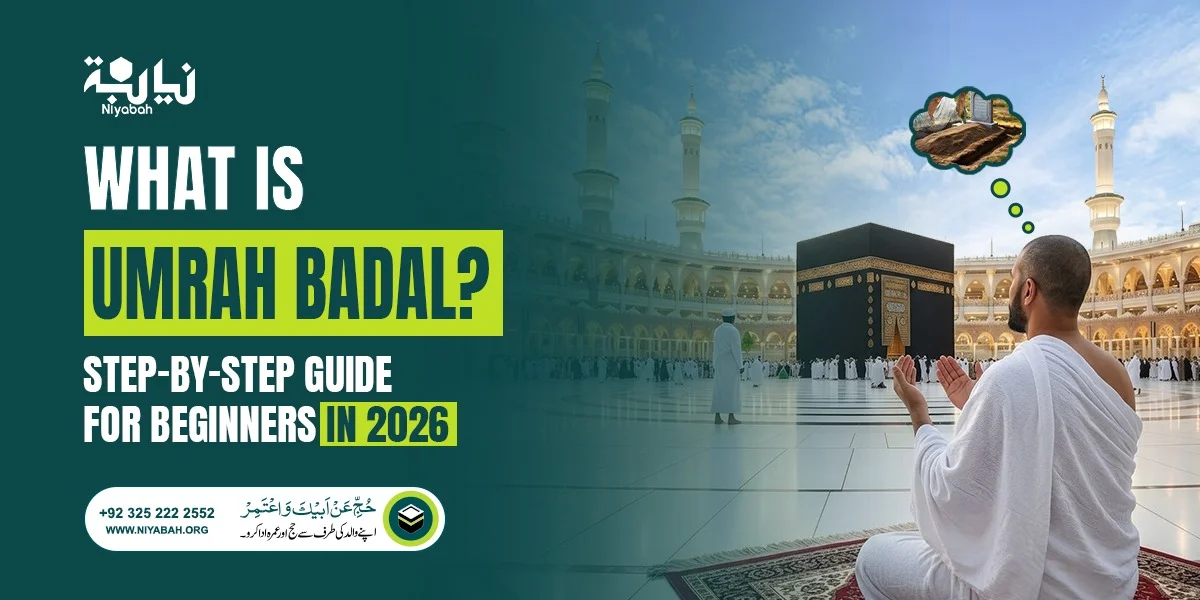
This is where Umrah Badal becomes an important and meaningful option. It allows a person to perform Umrah on behalf of someone else who is unable to go themselves. In simple terms, it ensures that the reward of this sacred journey can still reach a loved one, even if they cannot be there in person.
For many families, especially in Pakistan and across the Muslim world, Umrah Badal is not just a religious concept but an emotional one. It is often done for parents, elders, or deceased relatives to honor them and fulfill a spiritual wish they could not fulfill in their lifetime.
Meaning of Umrah Badal in Islam
The term “Badal” comes from Arabic, meaning substitute or replacement. When combined with Umrah, it refers to performing Umrah on behalf of another person with a clear and sincere intention.
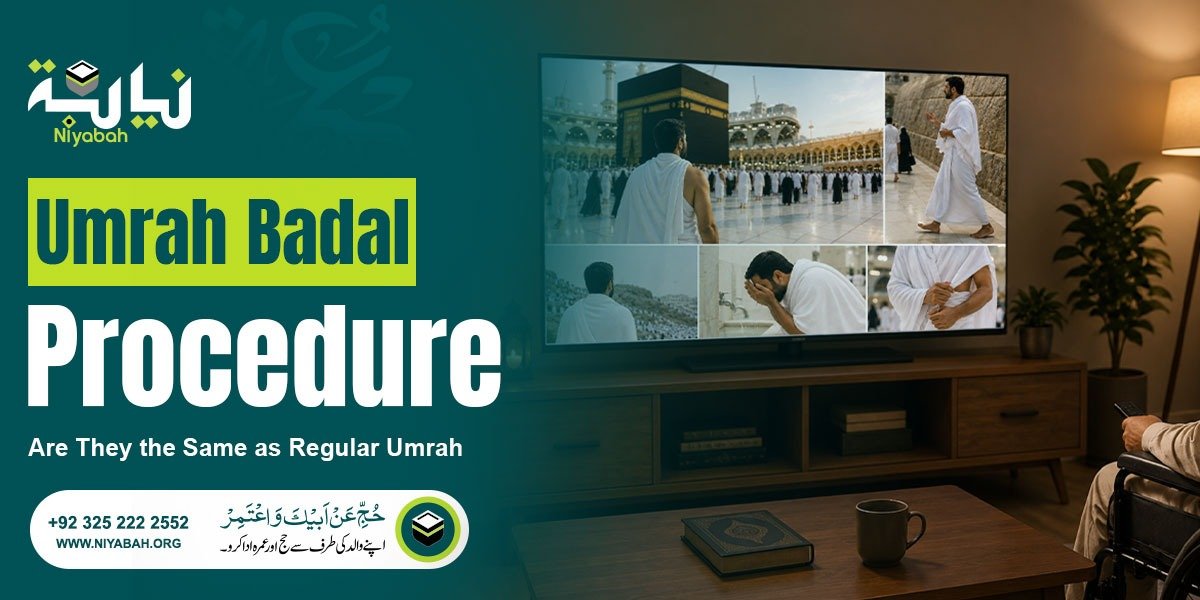
In Umrah Badal, the person who performs the pilgrimage completes all the rituals just like a normal Umrah. This includes entering the state of Ihram, performing Tawaf around the Kaaba, completing Sa’i, and finishing with Halq or Taqsir.
Instead of performing Umrah for themselves, the person makes a clear intention that the reward of this act is for someone else. This intention is essential and forms the foundation of Umrah Badal. Without it, the act becomes a personal Umrah rather than one done on behalf of another.
It is also important to understand that Umrah Badal is not a shortcut or replacement for someone capable but unwilling. It is specifically meant for those who genuinely cannot perform Umrah themselves due to valid and permanent reasons.
Is Umrah Badal Allowed in Islam?
A common question people ask is whether Umrah Badal is actually permitted in Islam. The answer is yes, but with specific conditions and understanding.
Islam allows certain acts of worship to be performed on behalf of others, especially when the person is unable to perform them due to permanent limitations or has passed away. This concept is rooted in authentic Islamic teachings, where helping others fulfill religious obligations is seen as an act of kindness and reward.
Scholars generally agree that Umrah Badal is permissible in cases where:
- The person is physically unable to travel due to serious illness or old age
- The person has passed away without performing Umrah
- There is no realistic possibility of them performing it in the future
However, if a person is healthy and financially capable, they are expected to perform Umrah themselves rather than relying on someone else. Umrah Badal is not meant for convenience; it is meant for necessity.
Another important aspect is sincerity. The person performing Umrah must do so with honesty, a proper understanding of the rituals, and a genuine intention to fulfill the responsibility on behalf of another individual.
Who Can Perform Umrah Badal
- Must be a practicing Muslim who understands the significance of Umrah
- Should perform with sincerity and clear intention (Niyabah) on behalf of another person
- Must be mentally sound and capable of making a proper intention
- Should have proper knowledge of Umrah rituals, including
- Ihram
- Tawaf
- Sa’i
- Halq or Taqsir
- Must be able to perform all steps correctly and without negligence
- Ideally, should have performed their own Umrah first to ensure practical understanding
- Must be trustworthy, honest, and reliable, especially when appointed through a service
- Should treat Umrah Badal as a serious spiritual responsibility, not just a task to complete
Who Needs Umrah Badal
Umrah Badal is specifically meant for individuals who are permanently unable to perform Umrah themselves. It is not designed for temporary situations or personal convenience.
1. Elderly Individuals
Many elderly people have the desire to perform Umrah but are physically too weak to travel or handle the physical demands of the journey. In such cases, Umrah Badal becomes a way to fulfill their wish.
2. People with Chronic or Serious Illness
Those suffering from long-term or life-threatening illnesses may not be able to travel safely. If their condition does not allow any realistic chance of performing Umrah in the future, Umrah Badal is considered a valid option.
3. Deceased Individuals
One of the most common reasons people arrange Umrah Badal is for loved ones who have passed away. If someone had the intention to perform Umrah but did not get the opportunity in their lifetime, a family member can arrange Umrah on their behalf. This is often seen as a form of ongoing charity and remembrance.
Essential Rules Before Choosing Umrah Badal
It is important to understand that Umrah Badal is only valid when the inability is permanent. If a person is temporarily unable due to financial issues, travel restrictions, or short-term illness, they are expected to wait until they can perform Umrah themselves.
Similarly, a healthy and capable person should not choose Umrah Badal out of convenience. The essence of Umrah lies in personal effort, sacrifice, and spiritual experience, which should not be replaced without a valid reason.
How to Perform Umrah Badal Step by Step
Performing Umrah Badal follows the same process as a normal Umrah. The only difference is the intention (niyabah), which is made on behalf of another person.
The journey begins by traveling to Makkah, where all the rituals of Umrah are performed in sequence.
1. Making the Intention (Niyah)
Before starting, the person clearly makes the intention that this Umrah is for a specific individual. This step is essential because it defines the purpose of the entire act.
2. Entering the State of Ihram
The pilgrim enters Ihram from the designated Miqat. This includes wearing the prescribed clothing and following the restrictions associated with Ihram, such as avoiding certain actions and maintaining a state of purity.
3. Performing Tawaf
Upon reaching the Kaaba, seven rounds of Tawaf are performed. This is a central ritual of Umrah and must be completed with focus and sincerity, keeping the intention for the person on whose behalf the Umrah is being done.
4. Completing Sa’i
After Tawaf, the pilgrim walks between Safa and Marwah seven times. This act symbolizes patience and devotion and is an essential part of the Umrah process.
5. Halq or Taqsir
The final step is shaving the head (Halq) or trimming the hair (Taqsir). This marks the completion of Umrah. At this point, the Umrah Badal is considered complete, and the reward is intended for the person it was performed for.
Throughout all these steps, maintaining sincerity and correctness is very important. The rituals should be performed properly, without rushing or negligence.
Important Rules and Conditions of Umrah Badal
To ensure that Umrah Badal is valid and accepted, certain rules must be followed carefully.
1. Clear and Specific Intention
The person performing Umrah must clearly specify for whom the Umrah is. A general or unclear intention can create confusion and affect the validity.
2. One Umrah for One Person
Each Umrah Badal is performed for only one individual. A single Umrah cannot be shared between multiple people.
3. Permission (If the Person Is Alive)
If the Umrah is being performed for someone alive, it is preferable to have their permission. This ensures transparency and respect.
4. Performer Must Be Capable
The person carrying out Umrah Badal must be physically and mentally able to complete all rituals properly. They should not leave any step incomplete.
5. Proper Knowledge of Rituals
Mistakes in rituals can affect the validity of Umrah. That is why the person should either have prior experience or proper guidance before performing Umrah Badal.
6. Sincerity and Trustworthiness
This is not just a physical journey but a spiritual responsibility. The performer must act honestly and fulfill the duty with full sincerity.
Common Mistakes to Avoid
Even though the process seems simple, some common mistakes should be avoided:
- Performing Umrah without clearly stating the intention
- Choosing unqualified or inexperienced individuals
- Treating Umrah Badal as a quick or casual task
- Doing it for someone actually capable of performing Umrah themselves
Avoiding these mistakes helps ensure that the Umrah is valid and the reward reaches the intended person.
Benefits of Umrah Badal
Umrah Badal carries deep spiritual and emotional value. It is not just about completing a ritual, but about fulfilling a meaningful act of worship on behalf of someone else.
One of the biggest benefits is that the reward of Umrah reaches the intended person. Whether they are alive but unable to travel, or have passed away, this act becomes a source of continuous blessings for them.
It is also considered a form of Sadqa Jariya (ongoing charity), especially when performed for deceased loved ones. Many people choose Umrah Badal for their parents as a way to honor them and give them a lasting spiritual gift.
Beyond reward, it brings peace of mind to family members. Knowing that a loved one’s unfulfilled wish has been completed creates a strong emotional satisfaction and sense of responsibility fulfilled.
Common Misconceptions About Umrah Badal
Several misunderstandings about Umrah Badal should be clarified:
- Anyone can perform it easily: In reality, it requires proper knowledge, sincerity, and responsibility. It is not just a simple task.
- It can replace Umrah for everyone: This is incorrect. Umrah Badal is only for those who are permanently unable. A healthy person must perform their own Umrah.
- It is just a service transaction: While services exist, Umrah Badal is fundamentally an act of worship. It should never be treated casually or purely as a paid task.
- One Umrah can cover multiple people: Each Umrah is for one individual only. It cannot be shared.
Clearing these misconceptions helps protect the true purpose and value of Umrah Badal.
Where to Arrange Umrah Badal
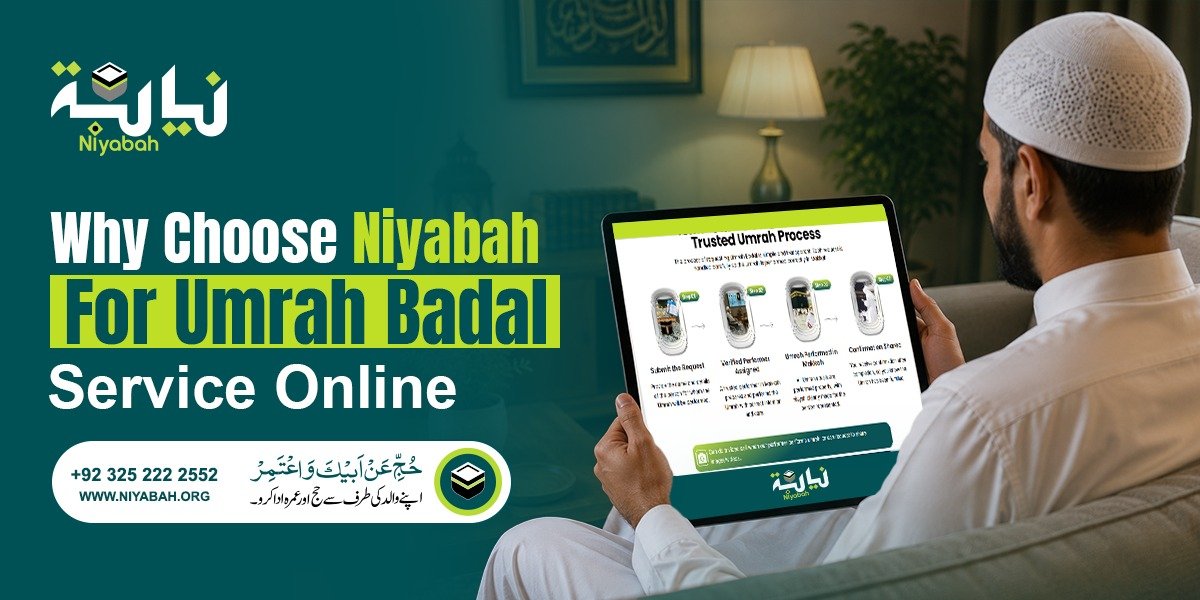
If you want to arrange Umrah Badal in a reliable and organized way, it is important to choose a platform that ensures authenticity, proper process, and trust.
Such platforms typically provide:
- Qualified individuals who perform Umrah correctly in Makkah
- Clear intention process for the person on whose behalf the Umrah is done
- Transparent communication and updates
Choosing a trusted source ensures that this important religious responsibility is fulfilled with sincerity and care.
Conclusion
Umrah Badal is a meaningful solution for those who cannot perform Umrah themselves due to permanent limitations. It reflects the mercy and flexibility within Islam, allowing rewards to reach individuals even when they are unable to physically participate.
From understanding its meaning to knowing the rules, process, and conditions, it is clear that Umrah Badal is not just a concept but a responsibility that must be handled with sincerity and proper knowledge.
Whether for elderly parents, sick relatives, or deceased loved ones, Umrah Badal provides a way to fulfill a spiritual duty and bring comfort to both the giver and the receiver.
Faqs
1. What is Umrah Badal?
Umrah Badal is the act of performing Umrah on behalf of another person who cannot perform it themselves. The person completing the Umrah makes the intention for someone else. All rituals are performed in the same way as a normal Umrah. The reward is then intended for the person being represented. It is a meaningful way to fulfill a missed spiritual obligation.
2. Is Umrah Badal allowed in Islam?
Yes, Umrah Badal is allowed in Islam under specific conditions. It is permitted when a person is permanently unable to perform Umrah due to illness, old age, or death. Islamic teachings support performing certain acts of worship on behalf of others in such cases. However, it is not allowed for someone healthy and capable. Intention and sincerity are very important for its acceptance.
3. Who can perform Umrah Badal?
A Muslim who is mentally sound and understands the rituals can perform Umrah Badal. It is recommended that the person has already performed their own Umrah before doing it for someone else. They must be capable of completing all steps correctly. Knowledge and sincerity are essential for validity. Choosing a trustworthy person is also very important.
4. Who needs Umrah Badal?
Umrah Badal is for individuals who are permanently unable to perform Umrah themselves. This includes elderly people who cannot travel and those suffering from serious long-term illnesses. It is also commonly done for deceased individuals who missed Umrah in their lifetime. Temporary issues like finances or travel restrictions do not qualify. The inability must be permanent.
5. How is Umrah Badal performed?
Umrah Badal is performed in Makkah just like a regular Umrah. The person makes an intention for someone else before starting. They then perform Ihram, Tawaf, Sa’i, and Halq or Taqsir. The process remains the same as normal Umrah. The only difference is the intention behind the act.
6. Can Umrah Badal be done for a deceased person?
Yes, Umrah Badal can be performed for someone who has passed away. It is often done for parents or loved ones who intended to perform Umrah but could not. This act is considered a form of ongoing charity (Sadqa Jariya). It allows the reward to reach the deceased. Many families arrange it as a way to honor their loved ones.
7. Can one Umrah Badal be done for multiple people?
No, one Umrah Badal is only valid for one person. Each Umrah must be performed with a specific intention for a single individual. It cannot be shared among multiple people. If you want to perform Umrah for more than one person, separate Umrahs must be performed. Clear intention is required for each one.
8. Is permission required for Umrah Badal?
If the person is alive, it is better to take their permission before performing Umrah Badal. This ensures clarity and respect for their intention. In the case of deceased individuals, permission is not required. However, the intention should still be clear and sincere. A proper understanding of the process is also important.
9. What are the main conditions of Umrah Badal?
The person performing Umrah must be Muslim, mentally sound, and capable of completing the rituals. They should know the Umrah process. A clear intention for a specific person is required. The Umrah must be performed correctly without skipping steps. Trustworthiness and sincerity are essential conditions.
10. How can I arrange Umrah Badal?
You can arrange Umrah Badal through trusted individuals or structured platforms. It is important to ensure that the person performing it is qualified and reliable. Many services organize the process professionally in Makkah. Always choose a source that provides transparency and proper intention handling. This ensures the act is completed correctly and sincerely.