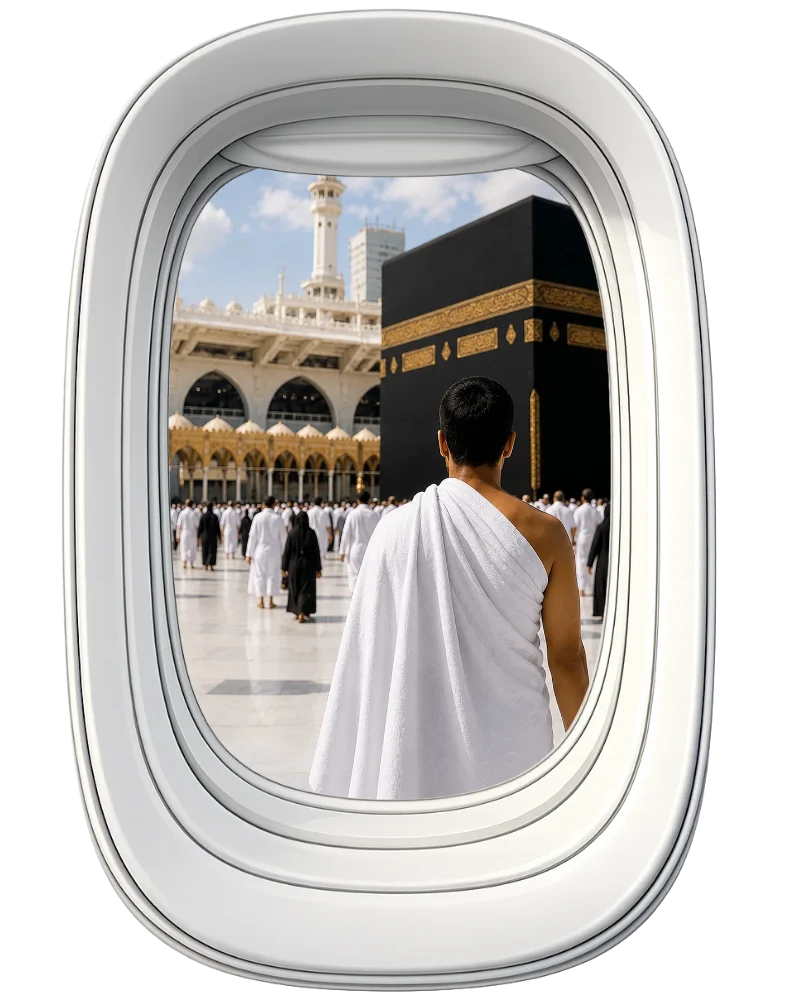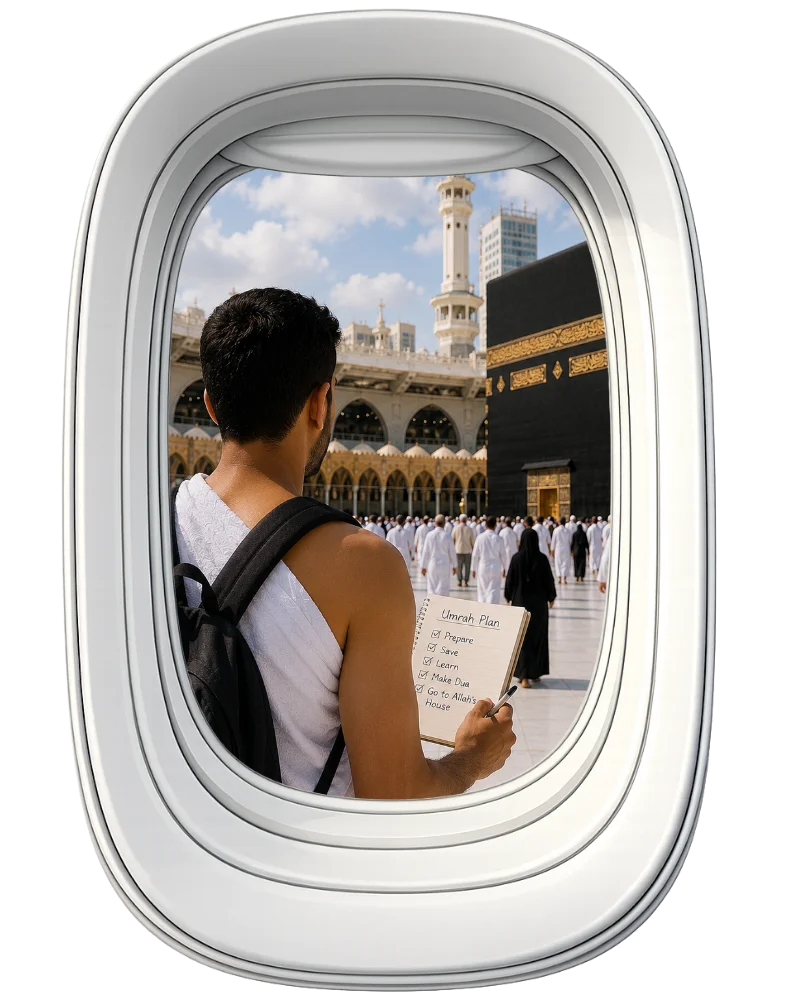

Umrah Badal means performing Umrah in Makkah on behalf of someone unable to travel due to age, illness, or death, with the niyyah made in their name.
Umrah Badal is derived from the concept of Niyabah, which means to act on behalf of another person. In Islamic terms, it refers to performing Umrah in place of someone unable to do it themselves due to death, old age, or permanent illness.
The intention (niyyah) is made clearly in the name of that person, and the full Umrah is completed on their behalf in Makkah.
The niyyah is declared in the name of the individual being represented.
The complete Umrah rituals are carried out fully at the Holy Mosque.
Permitted by the majority of Islamic scholars based on authentic hadith.
The Prophet ﷺ allowed it, confirming that a pilgrimage can be performed on behalf of someone genuinely unable to perform it themselves. This is not speculation — it is direct, authentic guidance.
Umrah Badal is neither a modern practice nor an assumption. It is based on clear guidance from the time of the Prophet ﷺ and remains an accepted practice in Islam when a person cannot perform Umrah themselves.
The concept of Umrah Badal comes from a real question asked during the time of the Prophet ﷺ. A companion asked whether they could perform Hajj or Umrah on behalf of a parent who was too old and unable to travel.
The majority of Islamic scholars permit Umrah Badal when performed under the correct conditions, based on authentic hadith and established practice.
The person must be genuinely unable (due to death, old age, or permanent illness).
The performer must make niyyah specifically in the beneficiary's name.
The Umrah must be completed fully according to the prescribed rites.
Most scholars permit performing Umrah on behalf of another person when that person is deceased or permanently unable to travel. The permission is based on authentic hadith and established practice.
Allows Umrah Badal for deceased and permanently unable individuals, with clear niyyah in their name.
Permits it with conditions; emphasis on correct intention and proper completion of rituals.
Permits it clearly, especially for those who cannot travel due to lasting incapacity or death.

There is broad agreement that Umrah Badal is valid when conditions are met. It is not a symbolic act; it is a complete Umrah performed on behalf of a specific person with clear intention.
For Umrah to be valid, a few key conditions must be met so that the Umrah is performed correctly and clearly attributed to the intended person.
For Umrah Badal to remain valid, it should only be done for someone who truly cannot perform Umrah themselves. In some situations, it should not be done on their behalf.
If a person is expected to recover and will be able to travel later, Umrah Badal should be delayed rather than performed on their behalf.
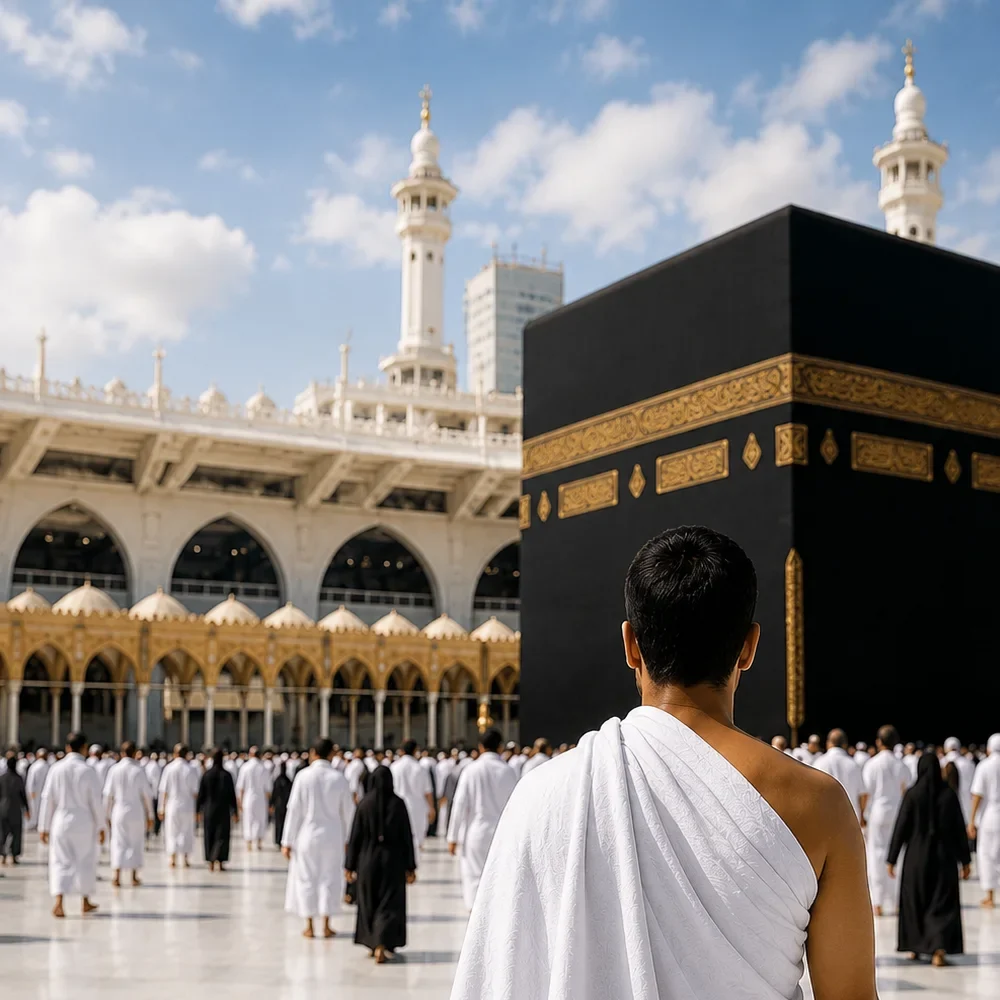

If able to perform Umrah, they should do it themselves.
If a person plans to perform Umrah, they should complete it themselves.
If a person is planning or preparing to perform Umrah in the future, they should complete it directly.
For Umrah Badal to remain valid, it should only be done for someone who truly cannot perform Umrah themselves. In some situations, it should not be done on their behalf.
If a person is expected to recover and will be able to travel later, Umrah Badal should be delayed rather than performed on their behalf.
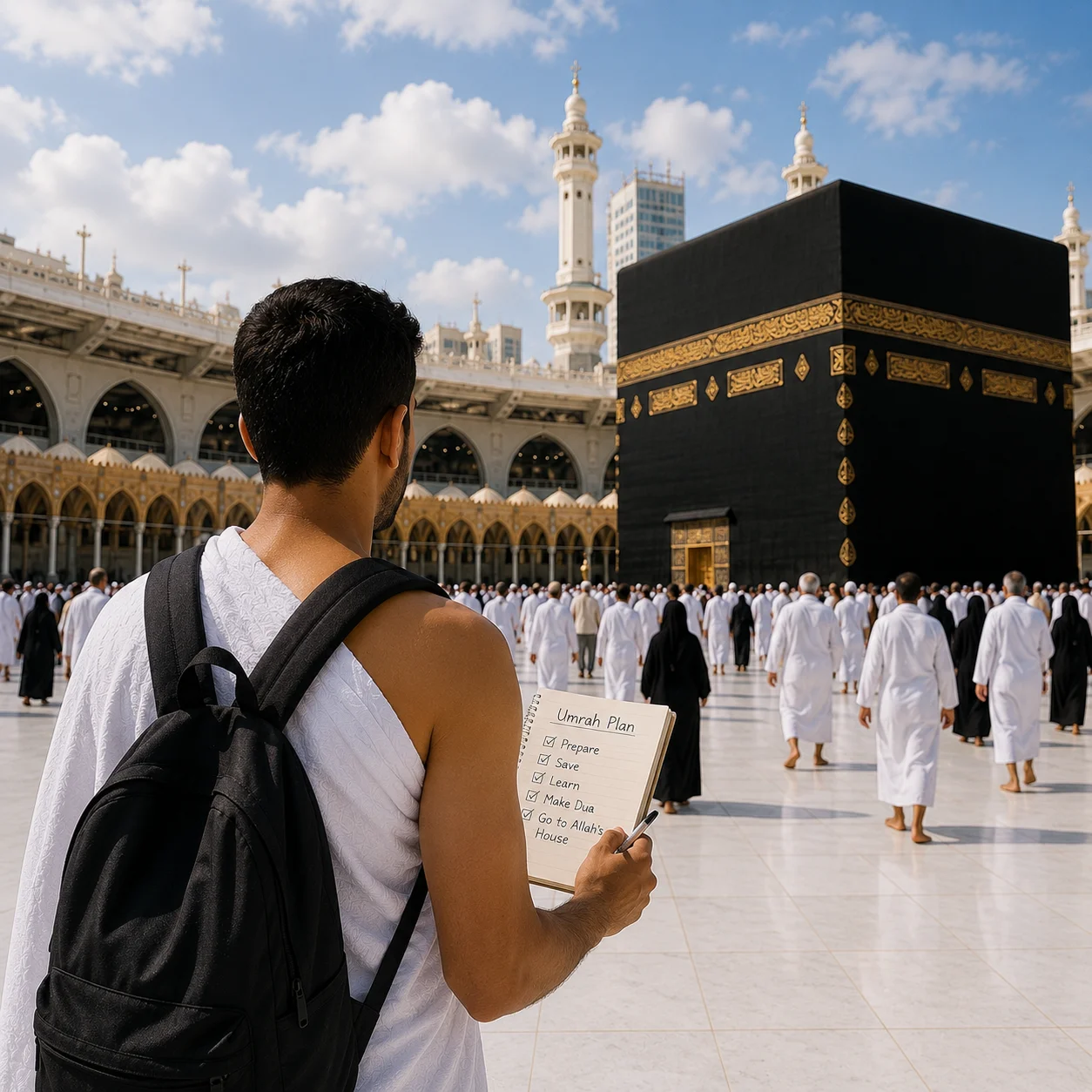
If able to perform Umrah, they should do it themselves.
If a person plans to perform Umrah, they should complete it themselves.
If a person is planning or preparing to perform Umrah in the future, they should complete it directly.


If you are performing Umrah Badal for your father, make niyyah with his name before Ihram and complete all rituals with the same intention until the end.
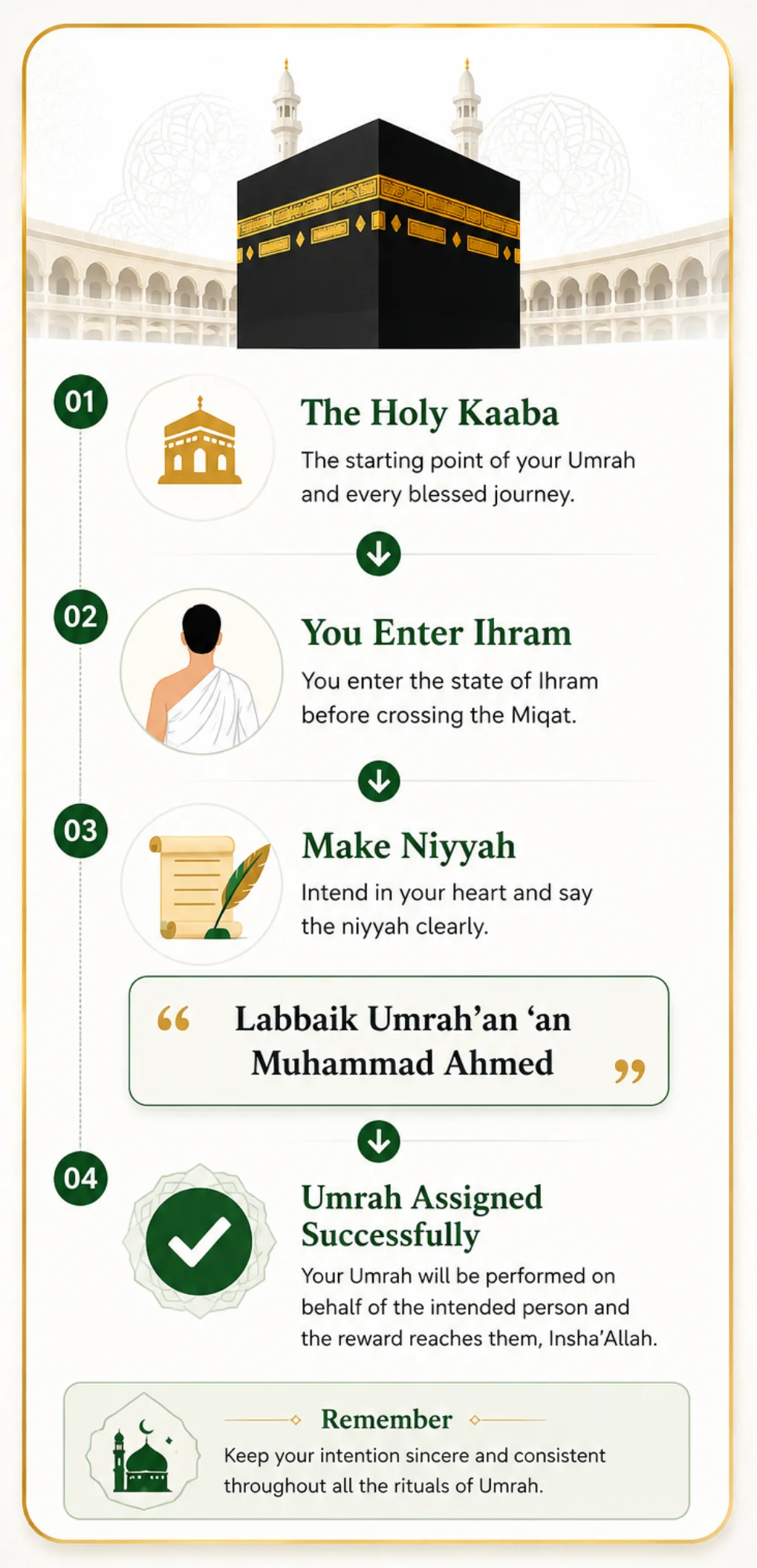
The niyyah is made when entering Ihram, before crossing the Miqat. Once Ihram begins, the Umrah officially starts for that person.
"Labbaik Umrah'an 'an [Name]"
Meaning: “I am performing Umrah on behalf of [Name].”
If you are performing Umrah Badal for your father, make niyyah with his name before Ihram and complete all rituals with the same intention until the end.

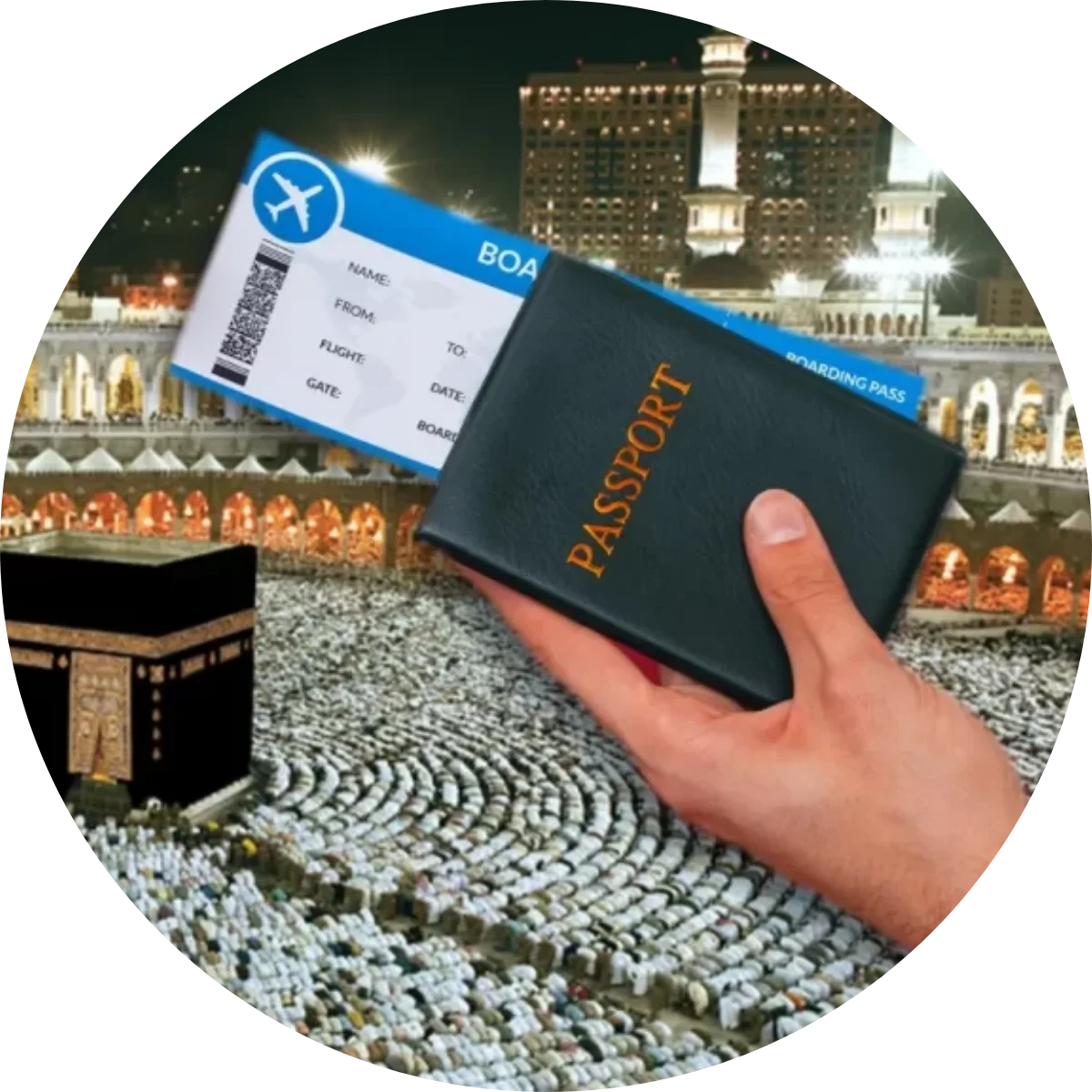
Before starting Umrah, there is a fixed boundary called Miqat. This is the point where a person must enter the state of Ihram and make niyyah. Crossing Miqat without Ihram is not allowed for Umrah.
A parent who always hoped to visit Makkah but passed away before fulfilling that dream.
Think of Miqat as the starting line. Once you cross it with Ihram and niyyah, you have begun Umrah on behalf of that person.
The process of requesting Umrah Badal is simple and transparent. Each request is handled carefully so the Umrah is performed correctly in Makkah.
Many people misunderstand Umrah Badal, assuming it is only a symbolic gesture or a donation. In reality, Umrah Badal is a complete Umrah physically performed in Makkah on behalf of a specific person.
Not a symbolic dedication only
Not a charity campaign or fundraising appeal
Not one Umrah shared between multiple people
The reward is intended for that person
Niyyah is made in one individual’s name
All rituals are completed from start to finish
A person physically performs the Umrah in Makkah
Yes. Umrah Badal is permitted in Islam and is supported by an authentic hadith in which the Prophet ﷺ allowed the pilgrimage to be performed on behalf of someone unable to travel.
Yes, but only when the person is permanently unable to perform Umrah themselves due to serious illness, old age, or lasting physical inability.
Yes. Niyyah is one of the most important parts of Umrah Badal because it clearly identifies for whom the Umrah is being performed before entering Ihram.
Yes. The niyyah should clearly identify a specific person so that the Umrah is properly attributed to them.
Umrah Badal is a real Umrah physically performed in Makkah. All rituals are completed properly from start to finish on behalf of the intended person.
Yes. A person may perform multiple Umrahs, but each Umrah must be completed separately with a new Ihram and a new niyyah.
After completion, confirmation can be shared privately so you know the Umrah was performed for the intended person.
No. It is not a symbolic donation or fundraising activity. Umrah Badal is a complete act of worship performed in Makkah.